Hey everyone, welcome back to My Weird Prompts. I am Corn, and I am joined as always by my brother, the man who probably knows more about the human digestive system than is strictly necessary for a casual conversation.

Herman Poppleberry at your service. And hey, after four hundred and thirty-four episodes, you would think we would have run out of things to say about the gut, but here we are. Our housemate Daniel sent us a voice note that really hits home because we have touched on this before, but he is dealing with a very specific, very frustrating intersection of fitness and post-surgical recovery.
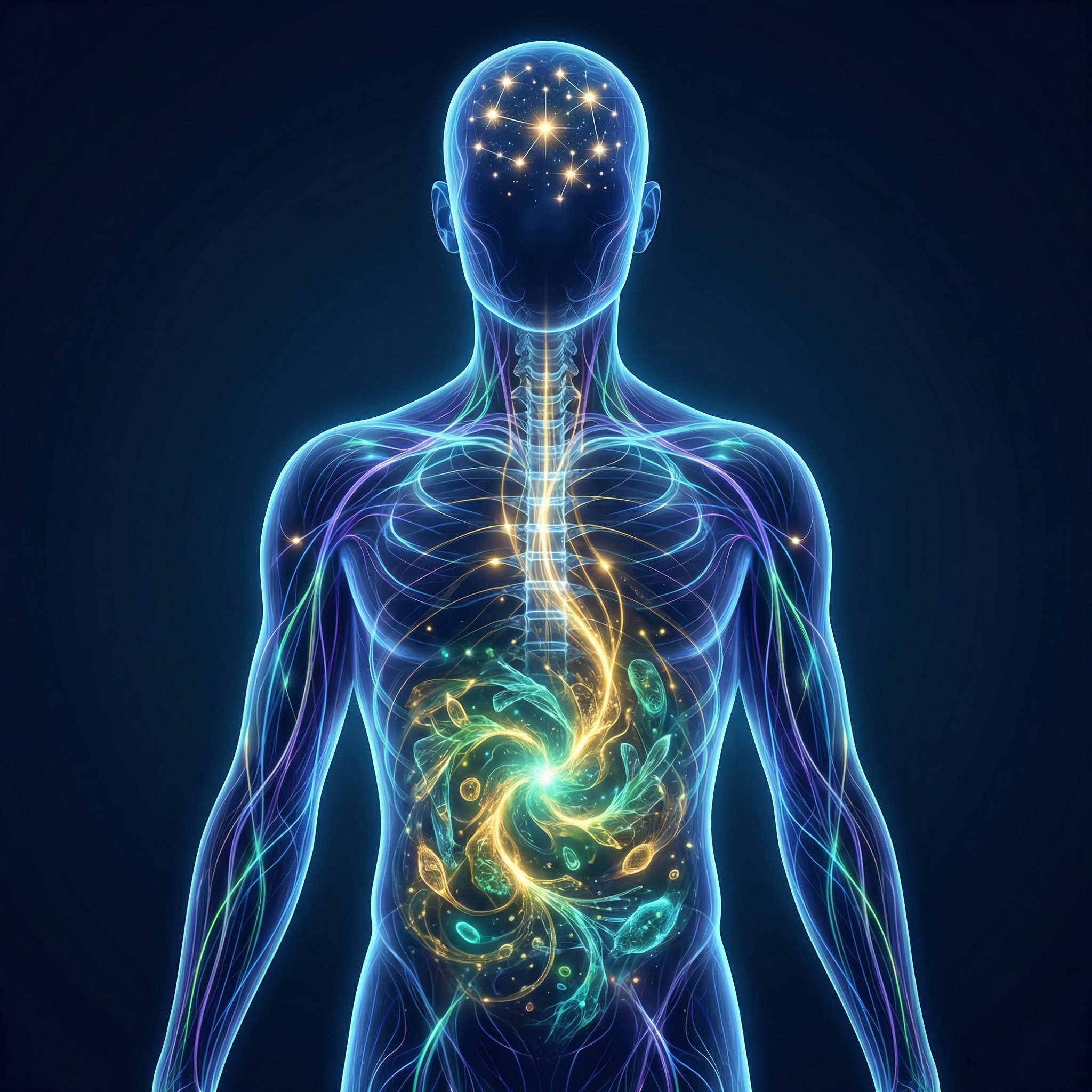
Right, and for those who have been following the show for a while, you know Daniel had his gallbladder removed about seven years ago. We talked about the immediate aftermath in episode one hundred and eighty-nine, and then we dove into the hydration issues in episode three hundred and ninety-two. But today he is talking about something that I think a lot of people struggle with in silence, which is bile reflux gastritis and how it basically puts a giant roadblock in front of your fitness goals.
It is a brutal cycle, Corn. You want to exercise to feel better, to keep your metabolism up, and to manage the stress of chronic illness, but the very act of moving seems to trigger this raw, gnawing pain in the stomach. Daniel mentioned that even a stationary bike, which most people consider low impact, is leaving him feeling like his stomach has been scraped out the next day.
It is such a descriptive way to put it. That raw, gnawing feeling. So, Herman, let us start with the mechanics. Why is exercise specifically such a trigger for bile reflux? I mean, we usually think of exercise as good for digestion, right? It keeps things moving. Why does it backfire for someone without a gallbladder?
You are right that exercise generally helps with peristalsis, which is the wave-like muscle contractions that move food through the digestive tract. But for someone like Daniel, the plumbing has been fundamentally altered. Without a gallbladder to store and concentrate bile, that bile is just constantly trickling into the small intestine. Now, in a perfect world, it should only go down. But when you have bile reflux, it backs up through the pyloric valve into the stomach.
And the stomach is not designed for bile. It is designed for acid, but bile is a whole different beast.
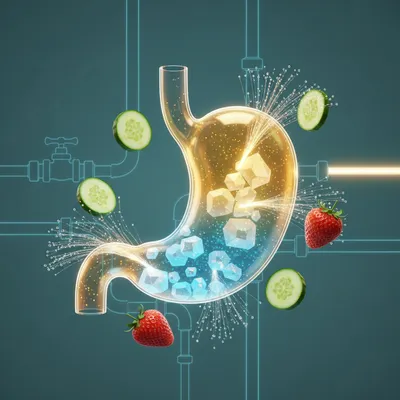
Exactly. Bile is basically a detergent. Its job is to break down fats. Your stomach lining has a protective mucosal barrier that is quite good at handling hydrochloric acid, but it is not nearly as resilient against the detergent action of bile salts. When those salts sit in the stomach, they start to dissolve that protective layer, leading to chemical gastritis. Now, when you add exercise to the mix, you are doing a few things. First, you are increasing intra-abdominal pressure. Every time you breathe deeply or brace your core, you are essentially squeezing the contents of your small intestine back up toward the stomach.
So it is like a mechanical pump. You are literally pumping the bile the wrong way.
Precisely. And then there is the mechanical jostling. Even on a stationary bike, there is a rhythmic movement of the torso. If the stomach is empty or if the bile is just pooling there, that movement sloshes the bile around, ensuring it hits every square inch of the stomach lining. It is like putting a harsh cleaner in a bottle and shaking it up.
That explains the immediate flare-up, but what about the next-day soreness? Daniel mentioned it feels worse the day after. Is that a delayed inflammatory response?
It is. Gastritis is inflammation. It is not just a temporary sting. When the bile irritates the lining, it triggers an immune response. The tissue becomes red, swollen, and hypersensitive. That raw feeling is literally your stomach wall being inflamed. It is very similar to how a sunburn feels fine while you are in the sun, but twelve hours later, you cannot even stand the touch of a shirt.
So if the goal is to stay fit, we have to find a way to stop that sloshing and pumping. Daniel mentioned he tried cholestyramine, which is a bile acid sequestrant, but it did not really work for him and it was a huge hassle to get. If the traditional meds are off the table, what are the actual strategies? Let us talk about buffering. He asked about specific food protocols. Is there a way to create a physical shield in the stomach?
This is where we get into some really interesting second-order effects of food. Most people are told to eat low fat after gallbladder surgery, which makes sense because you cannot process big hits of fat. But if your stomach is empty, that bile has nothing to do. It is just sitting there looking for something to dissolve. One of the best ways to buffer is through soluble fiber.
Like psyllium husk or pectin?
Exactly. Soluble fiber turns into a gel-like substance in the presence of liquid. If you take a small amount of soluble fiber shortly before exercising, it acts like a chemical sponge. It binds to the bile salts in the stomach and keeps them suspended in a gel rather than letting them coat the stomach wall. It also adds some bulk and viscosity to the stomach contents, which reduces the sloshing effect.
That is fascinating. So instead of an empty, sloshing stomach, you have a sort of stable gel that holds the bile in place?
Right. And you want to combine that with what I call the alkaline buffer. Bile is alkaline, but it is the salts that are the problem. However, the stomach is normally very acidic. When you have bile reflux, the pH level of the stomach goes up, which actually makes the stomach's own digestive enzymes, like pepsin, more destructive to the stomach lining. It is a double whammy. So, eating a small amount of a bland, starchy food like a bit of oatmeal or a piece of sourdough toast about thirty to forty-five minutes before exercise can help. The starch absorbs some of the bile, and the physical presence of food keeps the pyloric valve a bit more occupied.
Wait, does the pyloric valve close more tightly when there is food in the stomach?
It should. The pylorus is the gatekeeper. It is supposed to stay closed while the stomach is churning food. If your stomach is empty, that gate can be a bit more lax, especially if you have had surgery in that area or if your hormones like cholecystokinin are out of whack because the gallbladder is gone. By giving the stomach something to do, you are essentially telling the gatekeeper to stay at his post.
Okay, so a starch and fiber buffer. That makes sense. But what about the exercise itself? Daniel mentioned the stationary bike is a problem. Is it the posture? I mean, on a bike, you are often hunched over, which has to increase that abdominal pressure we talked about.
You hit the nail on the head. Posture is everything with reflux. In the medical literature, they often talk about the angle of the torso. When you are on a bike, especially if you are leaning forward on the handlebars, you are compressing the gastric cavity. This pushes the contents of the duodenum back into the stomach. For someone with bile reflux, the best exercises are the ones that keep the torso vertical and elongated.
So, walking?
Walking is fantastic. It is the gold standard for post-cholecystectomy exercise because it is vertical, it is rhythmic without being jarring, and it encourages natural downward motility. But even with walking, you have to be careful about the pace. If you are power walking and twisting your core a lot, you might still get some reflux. Also, tell Daniel to check his gym clothes. If he is wearing a tight waistband or a weight belt, he is artificially increasing that intra-abdominal pressure, which is just begging for a flare-up.
What about swimming? Daniel mentioned that as a possibility. It is low impact, but you are horizontal. Does being flat in the water make it easier for bile to flow backward?
Swimming is a bit of a gamble. On one hand, the hydrostatic pressure of the water can actually help support the abdomen. On the other hand, the horizontal position is the enemy of reflux. If Daniel wants to try swimming, he might want to stick to strokes where the head and chest stay relatively high, or even just water aerobics where he is vertical. If he is doing the butterfly or a flat freestyle, he is basically inviting that bile to slide right into his stomach.
This reminds me of some of the stuff we discussed in episode three hundred and ninety-three about the bloating glitch. The idea that the body's internal pressure management is just broken. If you are horizontal, gravity is not helping you. So vertical is better. What about resistance training? Can someone with bile reflux lift weights?
They can, but they have to be very strategic about their breathing. Most people hold their breath when they lift something heavy. That is called the Valsalva maneuver. It creates a massive spike in intra-abdominal pressure. For Daniel, that is like squeezing a tube of toothpaste from the bottom up. If he wants to lift, he needs to focus on exhaling during the exertion phase of every lift. Never hold the breath. And he should probably avoid exercises that involve lying flat on a bench, like a standard bench press. Doing chest presses at a slight incline would be much better.
So verticality, controlled breathing, and no crunching. I imagine traditional ab workouts like sit-ups are a nightmare for this.
Oh, absolutely. Crunches and sit-ups are probably the worst thing he could do. They are the definition of increasing abdominal pressure while compressing the stomach. If he wants to work his core, he should look into isometric exercises like planks, but even then, he has to be careful. A better option might be standing core work, things like Pallof presses where you are resisting rotation while standing upright. It keeps the plumbing vertical while still building that stability.
I want to go back to something Daniel mentioned in his note. He said he tried cholestyramine and it did not work. I remember from our research for episode one hundred and eighty-nine that these bile acid sequestrants are the standard treatment. Why would they fail? Is it possible the dosage was wrong, or is there something else at play?
There are a few reasons. First, cholestyramine is a powder that you mix with water. It is designed to bind to bile in the intestines, not necessarily the stomach. If the bile is already in your stomach before you take the med, it is not going to do much for the gastritis. Also, those medications can cause massive bloating and constipation themselves, which then increases abdominal pressure and makes the reflux worse. If Daniel wants a pharmaceutical approach that actually targets the stomach, he might want to ask his doctor about Sucralfate, which forms a physical coating over the stomach lining, or Ursodeoxycholic acid, which actually changes the composition of the bile to make it less toxic to the stomach tissue.
So if the medication is failing, maybe the focus should be on the lining itself. Are there things that can soothe the stomach lining after the damage is done? Daniel mentioned that raw, sore feeling the next day.
There is a lot of interesting research on zinc carnosine. It is a specific compound where the zinc is linked to a dipeptide called carnosine. Unlike regular zinc supplements, zinc carnosine is designed to stick to the stomach wall and stay there for a long time. It has been used extensively in Japan for treating gastritis and gastric ulcers. It basically acts like a biological bandage, helping the mucosal lining repair itself. Recent studies in twenty-twenty-five have even shown it can help reverse some of the histological changes seen in chronic atrophic gastritis.
Interesting. So that could be a recovery tool. What about alginates? I know some people use Gaviscon for acid reflux. Does that work for bile?
It can, but you have to get the right kind. In many countries, the standard Gaviscon is just an antacid. But the advanced versions contain sodium alginate derived from seaweed. When it hits the stomach acid, it forms a physical raft that floats on top of the stomach contents. This raft acts as a mechanical barrier. Research shows these rafts are actually strong enough to block not just acid, but bile and pepsin too. If Daniel took an alginate raft right before his workout, it could potentially block the bile from splashing up into the esophagus, though it might not totally protect the stomach lining itself.
It is like a lid on the pot.
Exactly. A floating lid. Now, Daniel also mentioned alcohol as a trigger. We should probably touch on that because it ties into the exercise. If he is having a few glasses of wine one night and then trying to hit the stationary bike the next morning, he is walking into a trap. Alcohol is a direct irritant to the stomach lining, and it also relaxes the pyloric valve. So he is starting with a weakened barrier and a loose gate, and then he adds the mechanical stress of the bike.
It is a recipe for disaster. So, let us look at a hypothetical ideal fitness day for someone in Daniel's position. What would that look like?
Okay, let us paint a picture. He wakes up and has a small, buffer-heavy breakfast. Maybe a half-cup of oatmeal with some ground flaxseed or a bit of psyllium. He stays vertical for at least an hour. No lying back down to check emails. Then, he heads out for a brisk, vertical walk or a session of standing resistance training. During the workout, he is sipping water, but not chugging it. Chugging large amounts of water can distend the stomach and trigger reflux.
Right, small sips. We talked about that in the hydration episode.
Exactly. After the workout, he does not go straight to a big meal. He lets the system settle. Maybe he takes a bit of zinc carnosine to help with any minor irritation that occurred. And if he does feel that gnawing sensation starting, he uses an alkaline buffer like a small amount of ginger tea, which can help with gastric motility and move that bile out of the stomach and back down where it belongs.
Ginger is a great point. It is a prokinetic, right? It helps the stomach empty faster.
It is. Anything that helps the stomach empty into the small intestine is Daniel's friend. If the stomach is empty of bile, it cannot be irritated. Prokinetics like ginger or even certain prescribed medications can be very helpful for bile reflux because they ensure the traffic is only moving in one direction.
I think one thing Daniel is struggling with is the psychological toll. He said this was his biggest regret, having the surgery. And I think that feeling of I broke my body and now I cannot even exercise is very heavy. But it sounds like it is not that he cannot exercise, it is just that he has to exercise like a person with a different set of internal rules.
That is exactly it. He is not broken, he is just modified. We talked about this back in episode three hundred and ninety-two, but the body is incredibly adaptable. The problem is that the standard fitness advice, like drink a gallon of water or do a hundred crunches, is designed for people with a gallbladder. Daniel has to become an expert in his own internal mechanics.
It is like driving a manual car when everyone else is in an automatic. You have to be more aware of the gears. You have to know when to shift.
That is a perfect analogy. And honestly, the fact that he is even trying to stay active seven years later is a huge win. A lot of people would have just given up and become sedentary, which leads to a whole host of other problems like weight gain and metabolic syndrome, which ironically makes bile issues even worse because of how it affects liver health.
So, to recap the exercise specifics for Daniel and anyone else listening who is in this post-cholecystectomy boat: Verticality is king. Walking, standing weights, and maybe upright water aerobics. Avoid the hunching of the bike and the horizontal nature of traditional swimming if it causes flare-ups. Focus on breathing, exhaling on the work to keep that internal pump from pushing bile the wrong way.
And do not forget the buffer. Never exercise on a completely empty stomach if you have bile reflux. You need that sponge of soluble fiber or a bit of starch to give the bile something to do other than eat your stomach lining.
I am curious about the long-term outlook here. Daniel mentioned he has been dealing with this for seven years. Does the body ever eventually adjust? Does the stomach lining get tougher, or is this a permanent management situation?
The stomach lining can definitely adapt to some extent. The cells can undergo what we call metaplasia, where they change type to try and handle the new environment. But you do not really want that, because long-term chronic inflammation and cellular changes can lead to more serious issues down the road. The goal should be management and minimization of irritation. Over time, many people find that their bile acid pool stabilizes. The liver eventually learns that it does not need to produce as much bile because there is no storage, but that can take years, and for some people, it never quite levels out.
What about the bionic gallbladder Daniel joked about? Is there anything on the horizon for people who have had theirs removed?
It is funny he mentions that. There is actually research into synthetic bile acid binders that are more targeted and less side-effect-prone than cholestyramine. We are also seeing some incredible results with glucagon-like peptide-one agonists, like Liraglutide, which are being used off-label to slow gastric emptying and manage bile flow. There is also work being done on smart coatings for the stomach that can provide a more permanent barrier against bile. But we are still a few years away from that being a standard clinical reality. For now, it is all about the lifestyle hacks we have been talking about.
It is amazing how much of this comes down to basic physics. Gravity, pressure, and chemistry. It is not some mysterious curse; it is just a mechanical problem that needs a mechanical solution.
Exactly. And I think that is the most empowering way to look at it. If it is a mechanical problem, you can find a workaround. You just have to be willing to experiment and listen to what your body is telling you the next day. If the stationary bike leaves you sore, the bike is telling you that the pressure and the posture are not working.
I hope this gives Daniel some new avenues to try. It is frustrating when the medical route feels like a dead end, but sometimes the most effective tools are the ones you have control over in your own kitchen and your own gym routine.
Definitely. And hey, if any of our listeners have found their own workarounds for post-gallbladder fitness, we would love to hear them. This is a huge community, and there is so much collective wisdom out there that does not always make it into the doctor's office.
Absolutely. You can always reach out to us through the contact form at myweirdprompts.com. We love hearing your stories and your own weird prompts that keep us digging into these topics.
And if you are finding these deep dives helpful, please take a second to leave us a review on Spotify or whatever podcast app you are using. It really does help the show grow and helps other people who are struggling with these specific issues find the information they need.
Yeah, we have been doing this for a long time, and the reviews are what keep us going and help us reach new people. This has been episode four hundred and thirty-four of My Weird Prompts.
I am Herman Poppleberry.
And I am Corn. Thanks for listening, and we will catch you in the next one.
Stay vertical, everyone!
Before we go, I just wanted to mention one more thing for Daniel. We talked about the stationary bike, but what about those recumbent bikes? You know, the ones where you are sitting back in a chair?
Ah, that is a good question. A recumbent bike might actually be worse because you are in a semi-reclined position. That puts the stomach and the small intestine on a more level plane, making it even easier for bile to flow backward. If he really wants to cycle, an upright bike where he can stand up on the pedals occasionally might be better, but honestly, walking is still the safest bet for his specific situation.
Good to know. It really is all about that vertical line.
Every inch of tilt counts.
Alright, that is a wrap for today. Check out the website for the full archive and the RSS feed. We will see you next week.
Bye everyone.
Take care.
And Daniel, hang in there. You are doing great.
Definitely. Talk soon.
One last thing, Corn. Remember when we talked to that researcher in episode two hundred and twelve about the circadian rhythm of bile production?
Oh, right! The idea that the liver produces more bile at certain times of the day regardless of when you eat.
Exactly. For many people, bile synthesis actually peaks twice a day, usually around one p.m. and again at nine p.m. It is actually at its lowest during the dawn hours. So if Daniel is working out in the late morning or early afternoon, he is hitting that first peak. He might find that an early morning workout, right at dawn when synthesis is lowest, is much easier on his stomach.
That is a great tip. Yet another variable to play with. Shift the timing to avoid the peak.
It is a giant puzzle, but we are getting there.
We certainly are. Alright, for real this time, thanks for listening!
See ya!