The Gut After Surgery: A Listener's Guide to Digestive Health
The gallbladder is small enough to be dismissed as optional, and for most people who have it removed the surgery is treated as a clean fix. But for a significant subset, the post-operative digestive system behaves differently than the pre-operative one — sometimes for months, sometimes permanently. The show has tracked this territory in unusual depth, building a collection of episodes that take the biology seriously rather than treating persistent symptoms as patient error. This guide assembles them in a logical arc from surgery through long-term management.
Understanding What Surgery Actually Changes
-
The Leaky Faucet: Thriving After Gallbladder Removal is the place to start. Before surgery, the gallbladder concentrates and releases bile in precisely timed pulses synchronized with meals. Without it, bile drips continuously into the small intestine regardless of food intake — a mechanical change with cascading downstream consequences. The episode introduced Post-Cholecystectomy Syndrome and explained why it’s common enough to deserve a name but poorly communicated in pre-surgical counseling.
-
Beyond the Stones: The Reality of Gallbladder Removal extended that analysis into what patients typically encounter in the months following surgery. The acute pain is gone, but the constellation of symptoms — loose stools, fat intolerance, bloating, unexpected reflux — reflects a GI tract adapting to altered bile dynamics. The episode examined why adaptation is incomplete in many people and what distinguishes those who adjust easily from those who don’t.
The Hydration and Bloating Puzzles
-
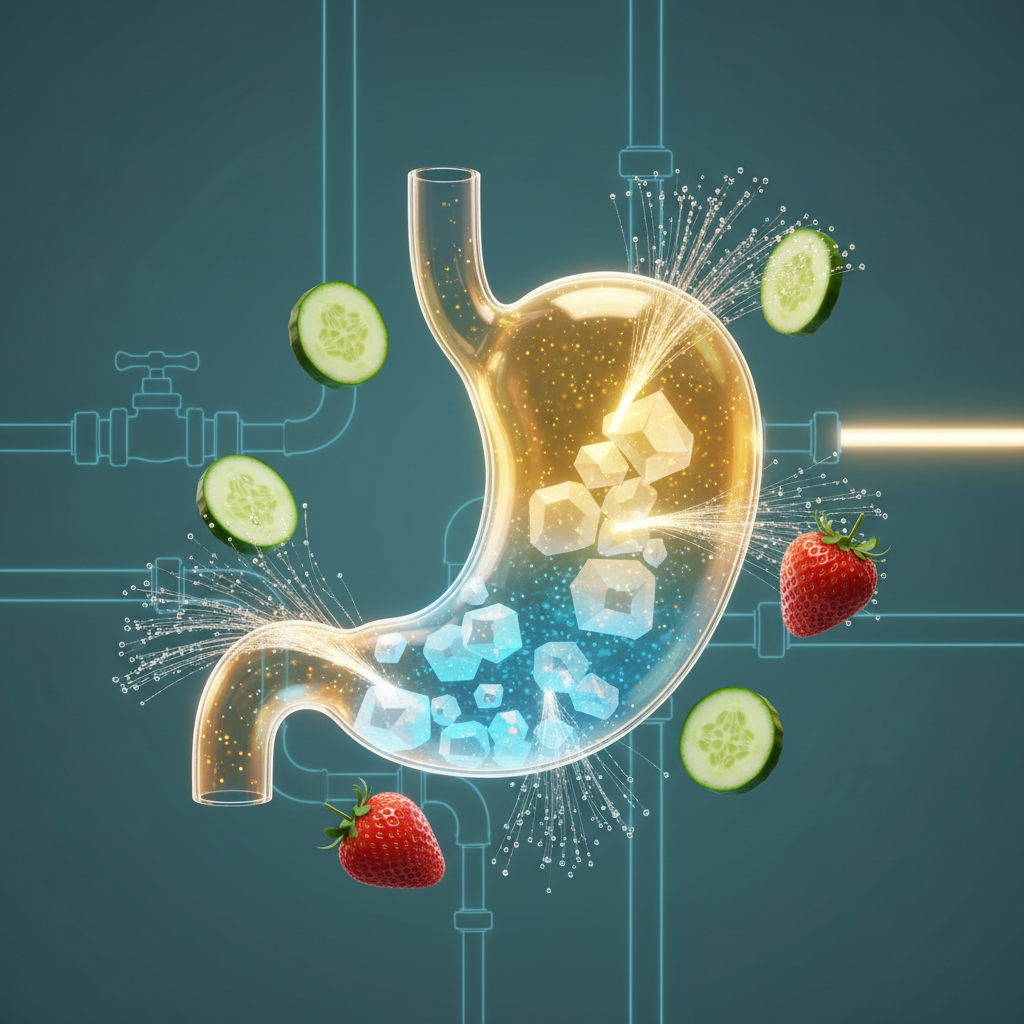
Why Water Hurts: Hydration After Gallbladder Surgery addressed a symptom that patients rarely anticipate and doctors rarely explain: plain water causing bloating and distress in the post-operative period. The episode traced the mechanism through bile acid concentration imbalances and gastric emptying changes, and explored what the evidence says about managing hydration when the normal rules no longer apply.
-
The Bloating Glitch: Why Your Stomach Has a Mind of Its Own examined abdominophrenic dyssynergia — a condition where the abdominal wall and diaphragm contract simultaneously rather than relaxing during digestion, producing visible distension that has nothing to do with gas volume. The episode explained why this neuromuscular miscommunication is more common than recognized, how it differs from other causes of bloating, and what therapeutic approaches actually target the mechanism rather than just masking symptoms.
When Exercise Becomes Complicated
- Post-Gallbladder Fitness: Managing Bile Reflux Gastritis tackled the problem of returning to physical activity when exercise reliably triggers symptoms. Unlike acid reflux, bile reflux is alkaline — it doesn’t respond to antacids and is aggravated by the same postural and pressure changes that occur during most forms of exercise. The episode mapped the physiology and provided a practical framework for graduated return to fitness that doesn’t treat movement as the enemy.
The Gut-Brain Axis After Surgery
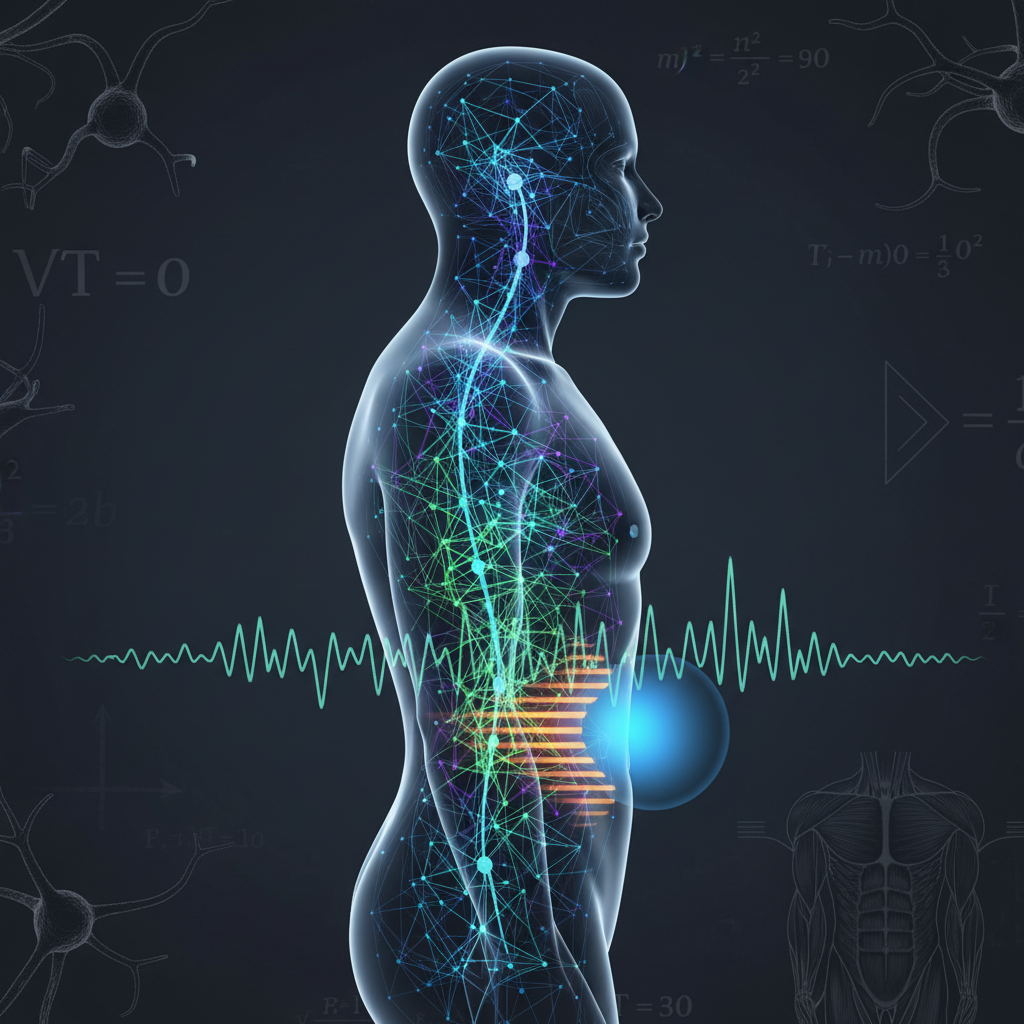
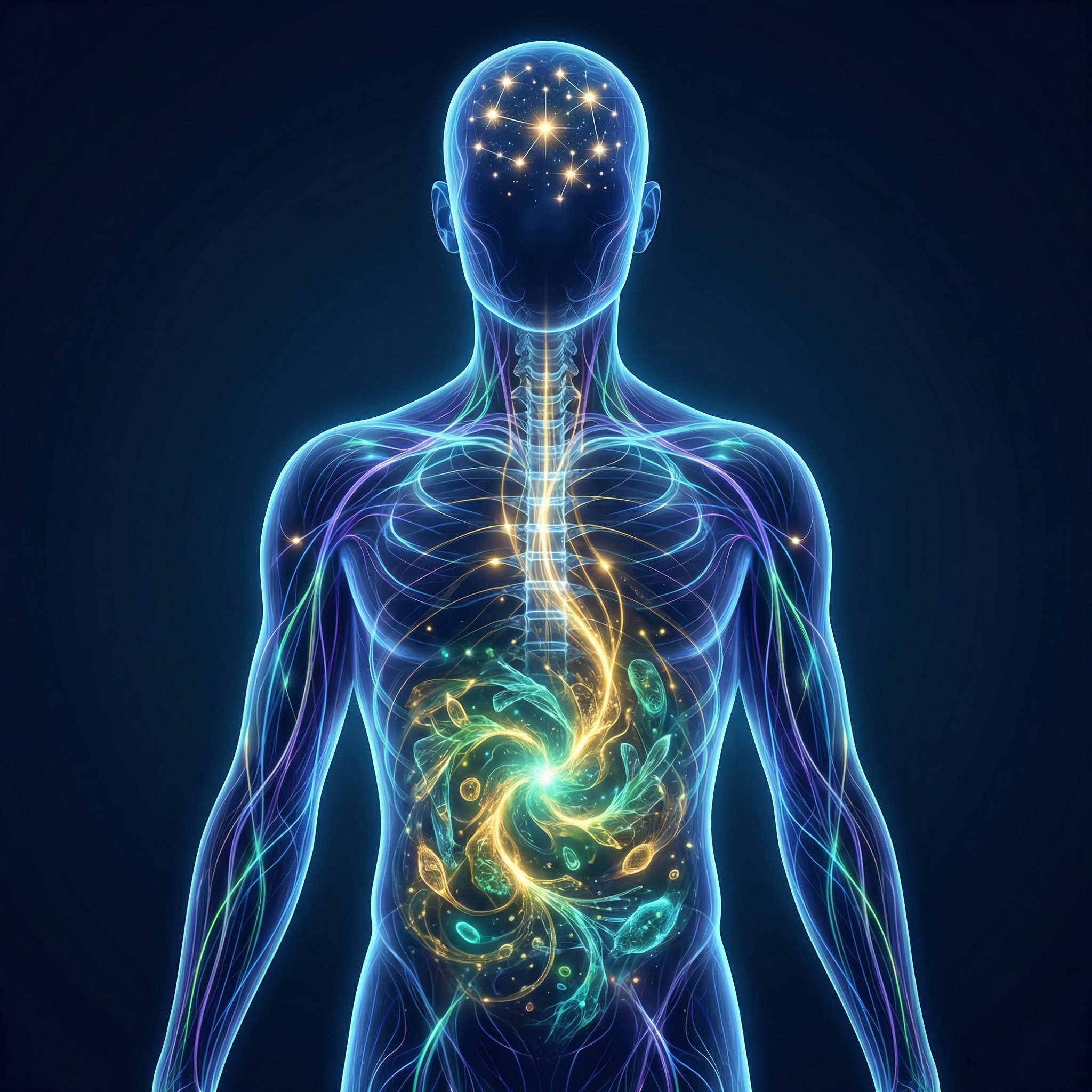
- Beyond the Gallbladder: Fixing Your Gut’s “Software Glitch” moved into less conventional territory: the idea that persistent post-surgical symptoms aren’t always structural but sometimes represent a miscalibrated gut-brain signaling system. The vagus nerve and the enteric nervous system learned to operate with a gallbladder present; removing it can disrupt those learned patterns in ways that don’t show up on imaging. The episode examined gut-directed hypnotherapy and other neural retraining approaches that have accumulated meaningful evidence.
Living With It: Nutrition and Daily Strategy
-
Low-Fat Living: Post-Gallbladder Nutrition Tips covered bile acid malabsorption from a practical dietary angle. Fat tolerance varies enormously between patients and changes over time, making blanket low-fat advice less useful than understanding one’s own threshold and how to identify which fat types cause the most disruption. The episode translated the biochemistry into actionable eating strategies.
-
The Bloat Battle: Post-Gallbladder Health & Style Tips addressed the under-discussed quality-of-life dimension of chronic bloating — the clothing choices, social situations, and daily planning that become complicated when abdominal distension is unpredictable. It’s a more personal episode than most in this cluster, but the practical framing makes the medical information land differently.
-
Bile, Babies, and Broke Kitchens: A Survival Guide took on the question of managing a restricted digestive diet under genuinely difficult circumstances — new parenthood, limited kitchen access, financial constraints. The episode demonstrated that the strategies for managing post-cholecystectomy nutrition don’t require elaborate cooking, but do require understanding the key principles well enough to adapt them to real conditions.
The Microbiome Connection
- The Forgotten Organ: How Your Microbiome Runs the Show pulled back to the broader picture that connects post-surgical GI issues to the wider field of gut health. The microbiome — the ecosystem of trillions of microorganisms living primarily in the colon — interacts directly with bile acid metabolism, immune function, and the gut-brain axis. Altered bile flow after cholecystectomy can shift microbial composition in ways that compound digestive symptoms. The episode introduced the key research findings and the current state of microbiome medicine.
The Medication Trap
- The PPI Paradox: How to Safely Quit Acid Reflux Meds and The PPI Paradox: Long-Term Risks of Acid Blockers form a pair on one of the most common post-surgical medication pitfalls. Proton pump inhibitors are frequently prescribed after cholecystectomy, but long-term use carries real risks — magnesium depletion, increased fracture risk, altered microbiome composition, and paradoxical acid hypersecretion on cessation. The episodes covered both the risks of continuation and the pharmacology of tapering safely, including the rebound acid phenomenon that traps many patients in a cycle they don’t understand.
These episodes don’t offer a simple fix, because the GI system after cholecystectomy is genuinely more complex than most medical advice acknowledges. What they offer instead is an accurate map of the territory — which is more useful than reassurance that the problem doesn’t exist.
Episodes Referenced