Never Dark: A Guide to Home Energy, Backup Power, and Electrical Resilience
Power is the one utility whose failure cascades into everything else. When the grid goes down, your internet dies, your home office stops working, your food starts to spoil, and — in regions with active security threats — your emergency communications go silent. These eight episodes cover the full stack of home energy resilience, from the physics of battery chemistry to the policy landscape of solar adoption and the often-invisible dangers of poor power quality.
The Battery Options, Explained
-
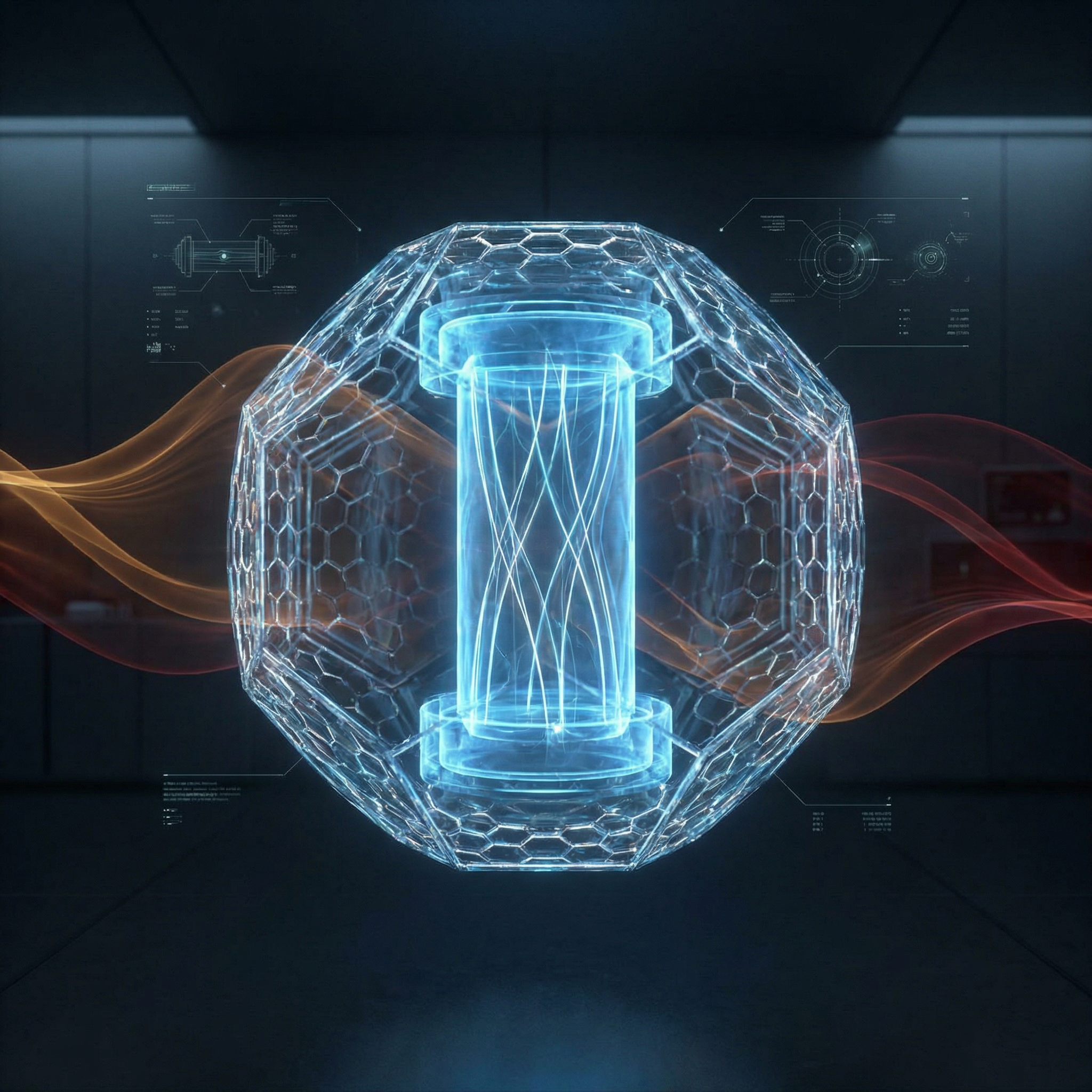
Beyond the Battery: The Future of Home Energy Backups is the best starting point. The episode laid out the landscape of home battery technology in 2026: traditional lead-acid UPS systems, lithium-ion portable stations, LiFePO4 (lithium iron phosphate) batteries with their superior thermal safety and cycle life, and whole-home battery systems like the Tesla Powerwall. The key distinction the episode drew is between backup power (keeping things running during a short outage) and energy storage (absorbing solar generation to use overnight) — these use cases have different requirements and the marketing around consumer products often blurs the line.
-
Staying Online: The Math of UPS and Fiber Reliability focused specifically on keeping a home office functional. A UPS that protects your workstation and router during a ten-minute outage is a different beast from a backup that keeps you working for four hours. The episode went through the math: runtime is a function of battery capacity and load, and most consumer UPS units are dramatically undersized for anything beyond graceful shutdown. It also covered fiber optic internet’s specific vulnerability — the ONT (optical network terminal) that terminates fiber at your home typically runs on a small internal battery that provides only eight hours of backup even when your router has a full UPS.
Electrical Safety in High-Power Environments
-
Powering Your AI Lab: The Physics of Electrical Safety addressed a problem that didn’t exist ten years ago: the modern home office running high-end GPUs, multiple workstations, and NAS arrays can easily pull enough current to trip circuits, damage wiring, or create fire hazards. The episode covered circuit capacity calculations, the difference between what a breaker protects and what your wiring actually handles, proper PDU (power distribution unit) selection, and why a “dedicated circuit” for a home server rack is not an upgrade but a baseline safety requirement.
-
Your Tech’s Silent Killer: Decoding Power Quality went a level deeper than circuit safety to examine the quality of the power itself. Voltage fluctuations, harmonic distortion, and high-frequency noise on the supply silently shorten the lifespan of sensitive electronics, cause intermittent crashes and data errors, and produce audible hum in audio equipment. The episode explained the physics of power quality, how to measure it with a power quality analyzer, and what surge protectors vs. UPS units vs. line conditioners actually protect against — three very different failure modes that are routinely conflated in consumer marketing.
Solar Energy in Israel: The Paradox
- Israel’s Solar Revolution: Can the Sun Power the Future? examined one of the more frustrating policy failures in Israeli infrastructure. Israel has more sun than almost any developed country, yet solar adoption has lagged behind Germany, Spain, and Australia by a wide margin. The episode traced this to IEC (Israel Electric Corporation) grid connection policies, bureaucratic approval timelines for rooftop installations, and the structural politics of a utility that historically resisted distributed generation. As of 2026, policy changes are finally accelerating adoption — but the episode documents what the delay cost in both economic and environmental terms.
The History Under Your Feet
- Current Chaos: Why Global Electricity is So Fragmented explained why your travel adapter is a museum piece from the 1890s. The 110V/60Hz vs. 220V/50Hz split dates back to competing Edison and Westinghouse standards, and dozens of plug shapes exist because the electrical grid was built out nationally before international standards existed. The episode covered which standards are changing (Type C is winning; USB-C is eating the rest), what determines how long legacy infrastructure persists, and why the “better” technical standard rarely wins when network effects are already locked in.
Architecture for Resilience
- Bulletproof Internet: Achieving the Gold Standard of Uptime approached resilience from the network side. Achieving five-nines uptime at home requires more than a good UPS — it requires redundant ISPs (or at minimum a cellular failover), proper router firmware with automatic failover, and understanding where your actual bottlenecks are. The episode walked through the architecture of networks that genuinely stay up during infrastructure failures, power outages, and fiber cuts, using real Jerusalem outage scenarios as test cases.
The Chemistry You Need to Know
- Why Can’t This Battery Fly? The Science of Li-ion Safety explained the safety constraints around lithium batteries from the ground up. Lithium-ion cells contain enough stored energy to cause fires and explosions if the chemistry goes wrong, and the regulations around shipping, storing, and traveling with batteries exist for reasons that the episode made concrete. It covered thermal runaway, the conditions that trigger it, why LiFePO4 chemistry is significantly safer, and how to store batteries (any chemistry) in ways that minimize risk.
Power resilience is not a one-time hardware purchase — it is an ongoing architecture decision. These episodes provide the vocabulary and framework to make those decisions deliberately rather than reactively, before the next outage rather than during it.
Episodes Referenced