Build It Yourself: The Advanced Smart Home and Homelab Guide
Most smart home products are designed to be convenient first and own-able never. Your data goes to someone’s cloud, your devices stop working when the company shuts down, and the integration story is held together with duct tape and prayer. These eight episodes explored a different approach: understanding the technology well enough to build systems that are actually yours.
The Protocol Landscape
-
Zigbee vs. Matter: Is Your Smart Home Already Obsolete? examined the most important protocol question for anyone building a smart home in 2025: should you invest in the established Zigbee ecosystem or bet on Matter, the industry coalition protocol that promises universal interoperability? The episode analyzed what Matter actually delivers versus what it promised, the current state of device support, and whether the established Zigbee ecosystem (with Home Assistant integration) is still the pragmatic choice for builders who want reliable, local control.
-
Why Your Smart Home Isn’t an Airport: Industrial Reliability compared consumer smart home products against industrial automation systems — and found the gap humbling. Industrial PLCs (programmable logic controllers) are designed for 24/7 operation, deterministic response times, and graceful degradation when components fail. Consumer smart home devices are designed to be cheap and attractive. The episode examined what would actually be required to bring industrial-grade reliability to a home environment, and where the effort is genuinely worth it.
Building with Microcontrollers
-
DIY Smart Home Status Lights: From ESP32 to AI Tools got hands-on with ESP32 microcontrollers as the foundation for custom smart home integrations. ESP32 boards combine WiFi, Bluetooth, and a capable processor in a package that costs a few dollars and can be programmed to do almost anything — including exposing custom sensors and actuators to Home Assistant via MQTT or ESPHome. The episode covered common use cases (status lights, custom sensors, relay control), the development workflow, and how AI coding tools have made ESP32 projects substantially more accessible.
-
The Ghost in the Machine: Why Gadgets Wake Up After Blackouts investigated something most smart home builders encounter but few understand: why do some devices turn themselves on after a power cut, while others stay off, and others return to whatever state they were in? The episode examined the power restoration behavior logic designed into various smart home products, explained the component-level reasons for different behaviors, and covered how to configure (and in some cases reprogram) devices to behave sensibly after power interruptions.
Infrastructure and Resilience
-
Breaking the Monolith: Building a Resilient Home Lab Grid made the case for distributing homelab workloads across multiple small machines rather than running everything on one powerful server. The distributed approach sacrifices single-node performance but gains resilience — no single hardware failure takes down all your services — and often produces better total efficiency. The episode covered the orchestration tools (Proxmox clusters, Kubernetes, Docker Swarm) that make distributed homelabs manageable, and the categories of workload that benefit most from distribution.
-
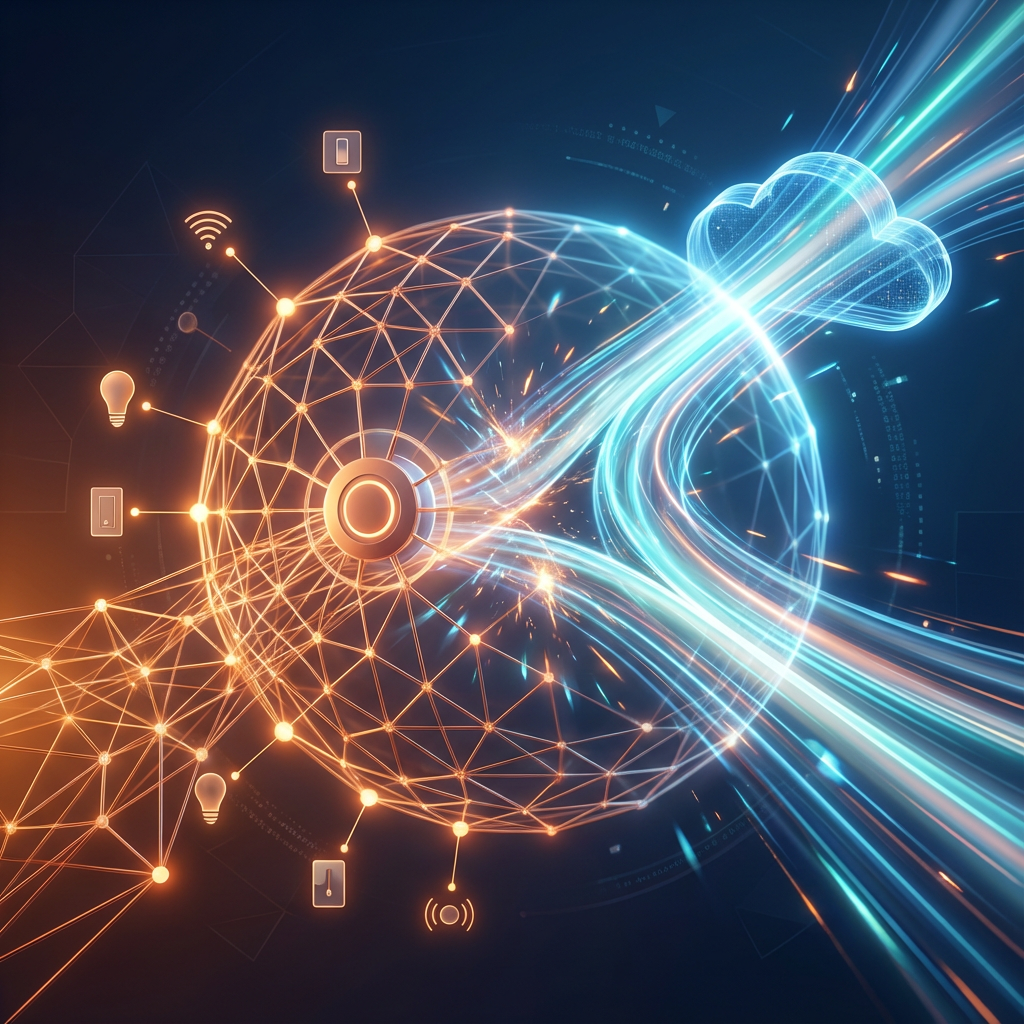
The Future of Smart Home Hubs: Matter, MQTT, and Beyond examined the evolving architecture of the smart home control layer. The episode covered the state of Home Assistant as the leading open-source home hub, the role of MQTT as the lingua franca of local smart home messaging, the implications of Matter for both commercial and DIY ecosystems, and the emerging question of whether the smart home hub should be a dedicated device, a VM, or a cloud service. The hosts examined what “local-first” actually means in practice for hub architecture.
Dashboards and Visibility
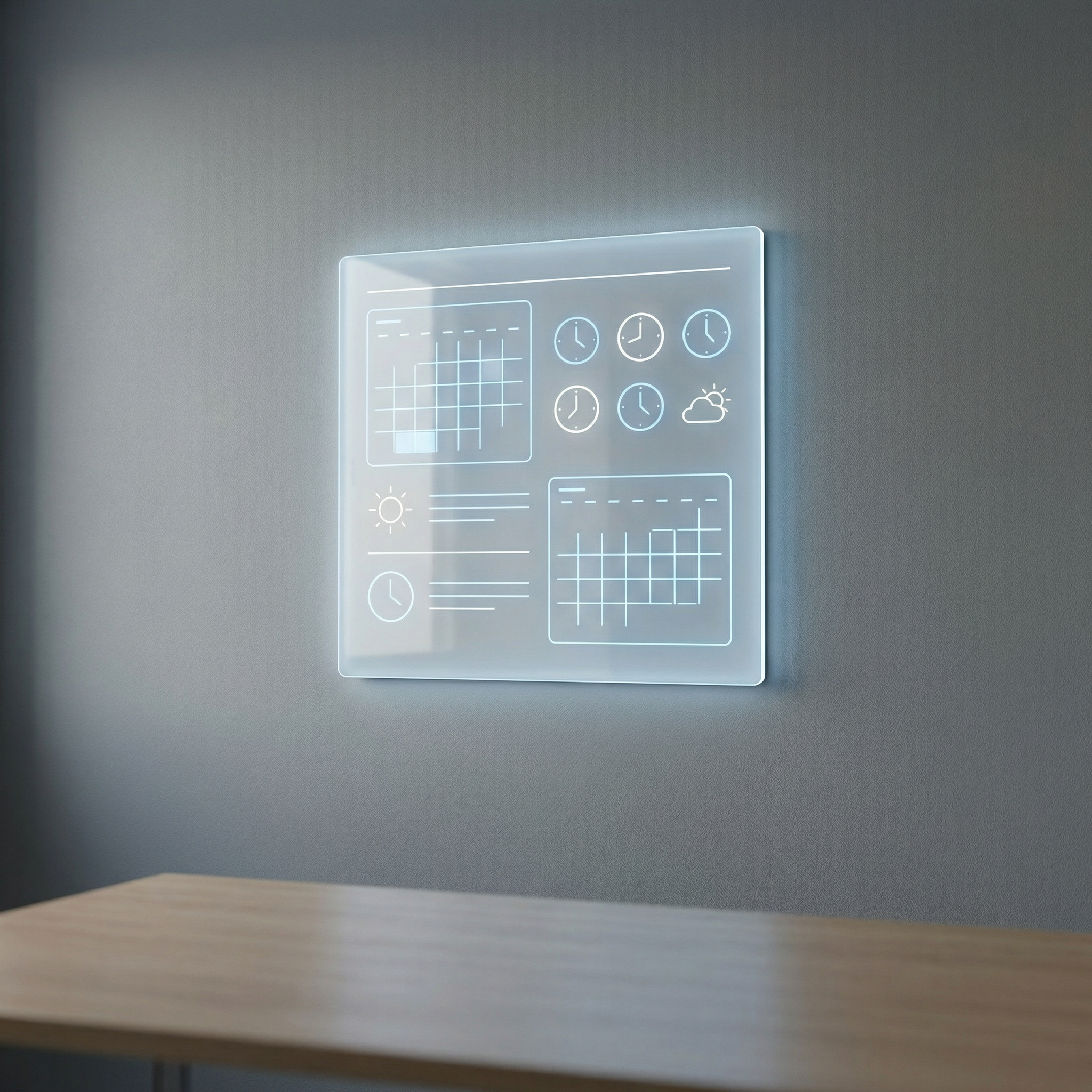
- The Ultimate Dashboard: DIY Information Radiators explored the concept of “information radiators” — always-visible displays that surface the most important status information from your home and work systems. The episode covered the hardware options (dedicated displays, repurposed tablets, e-ink panels), the software stack for building dashboards with Home Assistant, Grafana, or custom web apps, and the design principles that distinguish useful dashboards from cluttered ones. For anyone who wants their homelab to be observable at a glance, this episode covers the toolbox.
Security Without Surveillance
- Domesticating Your Home Security: How to Kill the Cloud addressed one of the most practically important smart home questions: how do you get the security benefits of connected cameras and sensors without your footage living on a corporate server? The episode covered local NVR (network video recorder) setups using Frigate, Home Assistant integrations for local motion detection and alerting, the camera hardware that supports local streaming, and the network architecture that keeps your security system air-gapped from the internet while still sending alerts to your phone.
The best smart home is the one that works when you’re away, survives a power cut, runs when the company shuts down its servers, and doesn’t send your data to strangers. These episodes give you the knowledge to build it.
Episodes Referenced