Beyond the Textbook: A Listener's Guide to Women's Health and Reproductive Medicine
The biology of reproduction and the hormonal systems connected to it have historically received less research attention than their significance warrants. But the science that does exist is often extraordinary — and frequently unknown to the people it most affects. These six episodes cover a connected set of topics that span infant nutrition, the endocrine system, vaccine technology, cellular medicine, and the emerging era of personalized treatment. What they share is a respect for biological complexity and an interest in what current science actually says rather than what simplified popular accounts suggest.
The Hidden Science of Infant Nutrition
- Beyond Nutrition: The Living Intelligence of Breast Milk is one of the most intellectually striking health episodes the show has produced. The conventional framing of breast milk as “good nutrition” dramatically understates what the research has established. Breast milk is not a static fluid — it changes composition day by day, feeding by feeding, in response to infant developmental stage and maternal immune exposure. It contains bioactive oligosaccharides that aren’t nutritive at all; they exist to selectively feed specific strains of gut bacteria. It contains signaling proteins that modulate immune development. It contains stem cells whose ultimate fate in the infant remains incompletely understood. The episode explored what breast milk actually does at a mechanistic level and what that implies for the long-running research efforts to improve formula.
The Parathyroid: A Gland Nobody Talks About
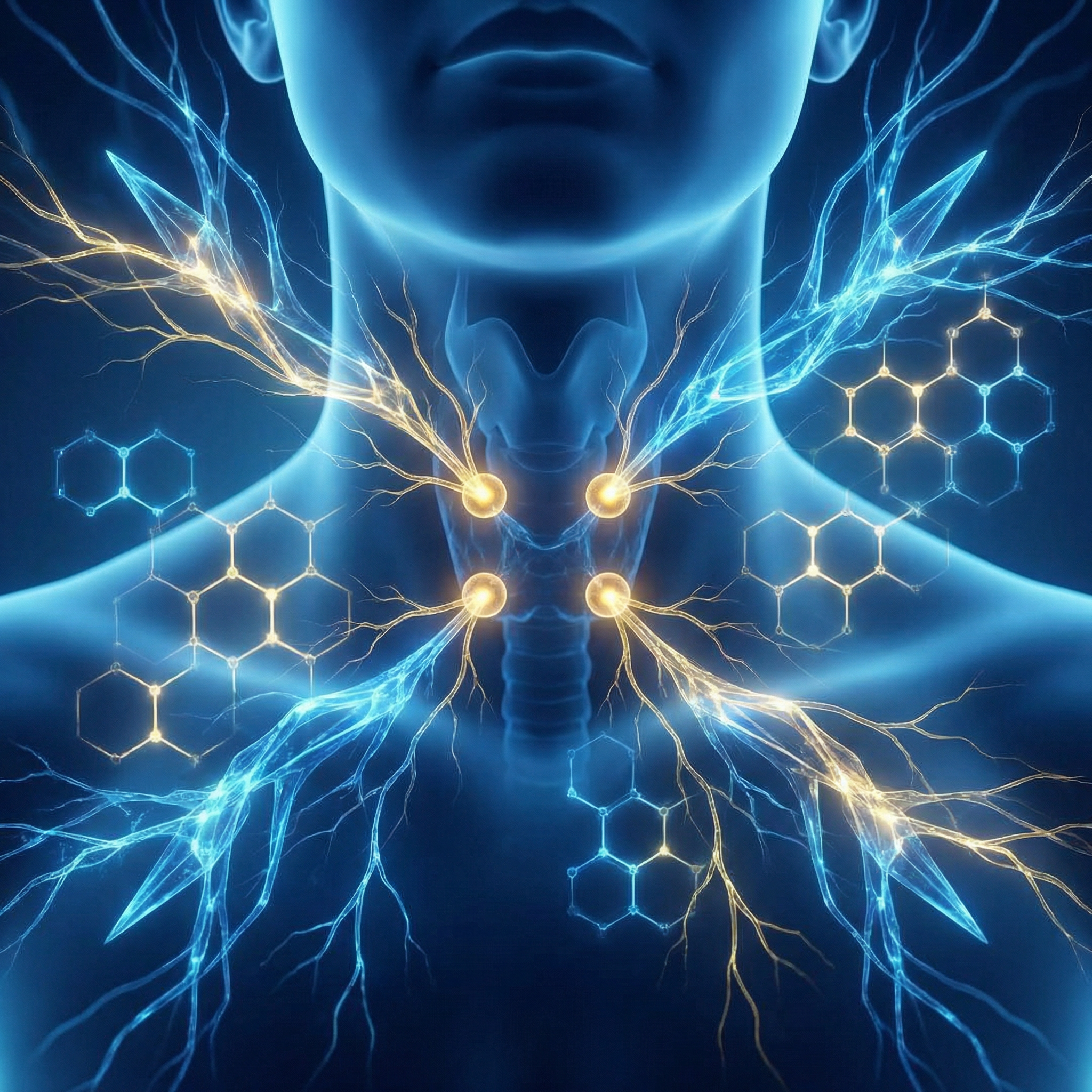
- The Tiny Glands Running Your Body’s Electrical Grid introduced an endocrine system that most people — including many patients who have had thyroid surgery — know almost nothing about. The four parathyroid glands, each about the size of a grain of rice, regulate calcium homeostasis across the entire body: bone density, muscle contraction, nerve transmission, and cardiac rhythm all depend on the narrow calcium range these glands maintain minute to minute. The episode covered the conditions that arise when parathyroid function is disrupted — including iatrogenic damage during thyroid surgery, which is more common than surgical consent forms typically acknowledge — and what the diagnostic pathway looks like. It’s a particularly relevant episode for anyone who has had thyroid surgery and noticed unexpected symptoms afterward.
The mRNA Revolution
- The mRNA Revolution: How Scientific Grit Saved the World told the story of Katalin Karikó, whose decades of rejected grant applications and institutional marginalization preceded the mRNA platform that the COVID-19 vaccines were built on. The episode used her story as a lens for the broader scientific development: how the modified nucleoside insight solved the immune rejection problem that had blocked mRNA therapeutics for years, and why the platform matters far beyond COVID vaccines — for cancer immunotherapy, for rare genetic diseases, for therapeutic applications that were speculative before the pandemic proved the delivery mechanism worked. The implications for women’s health specifically include HPV vaccine improvements and potential therapeutic vaccines for ovarian and endometrial cancers currently in clinical trials.
Cellular Medicine
- The Master Cells: A Guide to Stem Cell Donation explored hematopoietic stem cell donation — the process behind bone marrow transplantation — from both the biological and procedural angles. The episode covered the science of how stem cells repopulate a recipient’s immune system, the differences between bone marrow harvest and peripheral blood stem cell collection, the matching criteria that make finding compatible donors so difficult, and the global registry systems that connect potential donors with patients. It’s an episode where the science and the human stakes are genuinely intertwined.
The Personalized Medicine Horizon
-
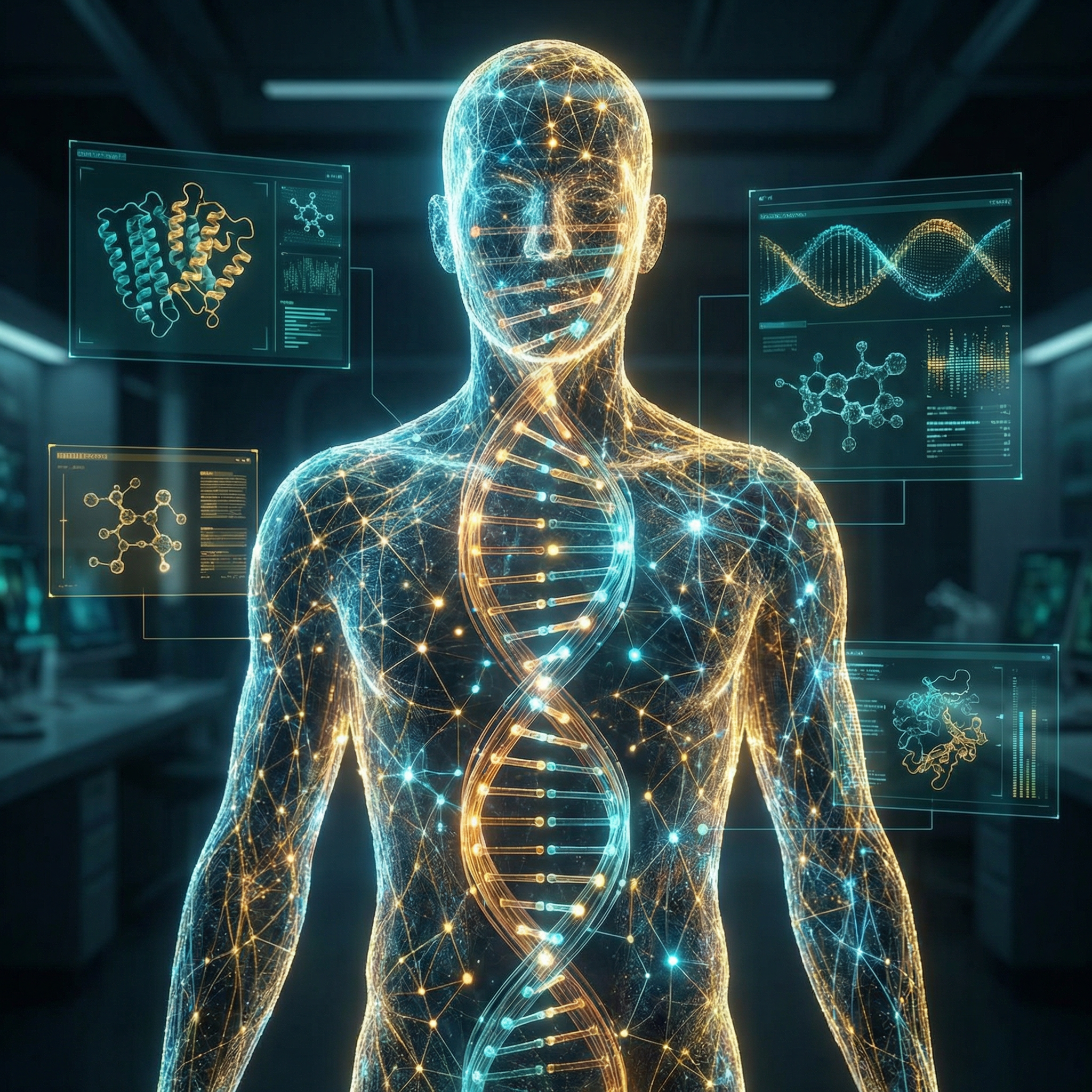
One Size Fits None: The Future of Precision Medicine addressed the fundamental tension between population-level medicine and individual biology. Most drug dosing, treatment protocols, and diagnostic thresholds are calibrated to statistical averages drawn from clinical populations that historically underrepresented women, non-European ethnic groups, and older adults. The episode examined what precision medicine — genomics, proteomics, pharmacogenomics, and AI-driven pattern recognition — actually promises to change about that, and where the evidence base for personalized approaches is currently strongest.
-
From Symptoms to Signatures: AI’s Medical Revolution extended that analysis into the AI layer. The shift from symptom-based to biomarker-based diagnosis, from population-average dosing to individual pharmacogenomic profiling, is being enabled in part by machine learning systems that can identify signal in the kind of high-dimensional biological data that’s impossible to analyze manually. The episode covered specific applications — AI-assisted pathology, polygenic risk scoring, drug response prediction — and examined the regulatory and equity challenges involved in translating algorithmic insights into clinical practice.
These episodes share a common orientation: they start from biology and work outward rather than starting from convention and working backward. The result is a picture of medicine that is simultaneously more complex and more hopeful than the standard textbook narrative — because the standard narrative is written for a population that doesn’t include everyone.
Episodes Referenced