
Built Environment
Architecture, urban planning, infrastructure, and housing
184 episodes · Page 6 of 8
#3045: How Many People Actually Lack Clean Water?
The 2.2 billion figure is more complicated than it looks. Here's what the data actually says.

#3030: Maya vs Aztec: Unpacking the Pyramids
Two advanced civilizations, centuries apart. Here's what you actually need to know.
#3029: Why Jerusalem's Light Rail Takes So Long
The visible pace of Jerusalem's light rail construction hides a complex web of incentives, archaeology, and municipal rules.
#3028: Göbekli Tepe: What 11,600-Year-Old Stones Reveal
How did pre-agricultural people quarry 20-ton pillars? This ancient site may rewrite the story of civilization.
#3026: How 23,000-Year-Old Barley Rewrites Farming History
An Ice Age camp in Israel shows people cultivating grain 13,000 years before farming was supposed to begin.
#3010: Why Jerusalem's Walls Are Younger Than the Taj Mahal
The iconic walls of Jerusalem’s Old City were built in the 16th century—not ancient times. Here’s why Suleiman built them and how.

#3009: How IKEA Decides Where Everything Goes in Its Warehouses
Inside the science of slotting optimization that determines where your BILLY bookcase lives in IKEA's massive warehouses.
#3008: Israel's Rail Network: Ambition Meets Geography
Why Israel's "high-speed" train isn't high-speed, and what actually determines whether rail makes sense in a small country.
#3006: Rail vs. Truck: The Real Modal Split
Why rail carries 50% of freight in China but only 8% in the US — and what that means for logistics.

#3001: Why Every Flag Is a Rectangle (Except One)
How maritime warfare and mass production made nearly every national flag a rectangle — and why Nepal's stubbornly isn't.
#2990: How 20 People Run a 400-Meter Container Ship
Twenty-four thousand containers, twenty crew members. How does global trade actually work at sea?
#2989: Why Trains Crash When They Can't Steer
Stopping a train takes miles. Seeing an obstacle takes seconds. That gap explains everything.

#2988: How Aircraft Defeat Ice: Three Layers of Defense
Ice on wings can kill. Here's how aviation built three independent defenses against it.
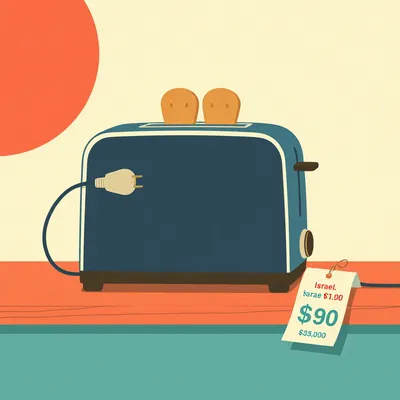
#2984: The Toaster Tax: How Israeli Standards Drive Up Prices
Why a toaster costs $30 more in Tel Aviv than Berlin — and how 3,000 unique standards affect every household purchase.

#2981: Jerusalem's Lost Airport: What Happened to Atarot?
Once a bustling international airport, Atarot now faces demolition for housing. Could it ever fly again?
#2979: How a Leaky Pipe Revolutionized Global Agriculture
The most transformative agricultural invention of the 20th century was a plastic tube with holes. Why does it still only cover 10% of irrigated land?
#2975: How Cranes Lift Themselves 40 Stories
From 4,000-year-old shadufs to self-climbing tower cranes — the physics and economics behind construction's most visible machine.
#2972: How Pallets Make Global Trade Work
The humble pallet is the unsung hero of global trade. Here’s how consolidation works from factory floor to container ship.
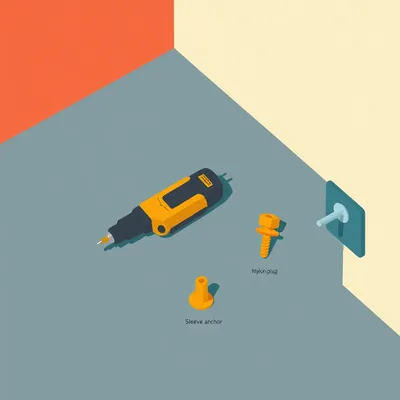
#2949: Three Wall Types, One Drill: A Renovation Guide
Identify concrete, hollow block, and drywall in seconds with the tap test — and pick the right anchor every time.

#2934: Who Actually Owns All Those Empty Condos?
Investment property isn't what you think. Who really drives housing bubbles — individuals or institutions?

#2932: Who Actually Owns Your Home? The Wild World of Nested Leases
How four layers of leases can leave homeowners legally owning nothing when the top lease expires.

#2927: Housing vs. Financial Assets — The Global Experiment
Jerusalem's ghost towers, Vancouver's empty homes tax, and Singapore's radical approach to separating shelter from speculation.
#2896: What We Lost When We Lost the Courtyard
The biblical chatzer wasn't a patio. It was a pre-industrial cooperative that solved parenting exhaustion.

#2888: Partitioning Israeli Rentals Without Losing Your Deposit
How to carve out workspaces and nurseries in weird Jerusalem apartment layouts without drilling.