
Health & Wellbeing
Medical topics, mental health, neuroscience, ADHD, neurodivergence, and wellness
The science of staying alive and hopefully thriving. From medical breakthroughs and neuroscience discoveries to frank conversations about ADHD, neurodivergence, therapy, and medication — this channel explores both physical and mental health with curiosity and a healthy skepticism toward wellness hype. No toxic positivity, just honest exploration of what actually helps.

#5585: The Lighthouse Keeper and the Serbian Cabin
A YouTube video from rural Serbia broke one listener's whole model of what a hermit is. Turns out the anchorite image is a thousand years out of date.
#5584: What Happens When Isolation Isn't Chosen
Chosen solitude and forced isolation damage the body differently — and the science shows the damage isn't a one-way door.
#5578: Resilience Isn't a Muscle — What the Research Actually Shows
Two-thirds of people bounce back from major trauma by default. So why does "build resilience like a muscle" miss the point?

#5560: What's Really in That Paint Can?
Water-based paint still off-gasses for weeks. Here's what's in the can, and the one free lever that actually matters.

#5551: Why Learning Makes Us Happier at Any Age
The credential isn't what makes learning feel good — choosing it is. What the research says about self-directed learning, aging, and hard times.
#5543: Why Clutter Overwhelms the ADHD Brain
Four hidden taxes clutter levies on your brain — and why the same messy room lands so differently on ADHD.
#5542: Why Parenting Exhaustion Doesn't Reset Overnight
Small tasks, big depletion: why the parental to-do list never clocks out, and how micro-breaks can help when a full day off isn't coming.
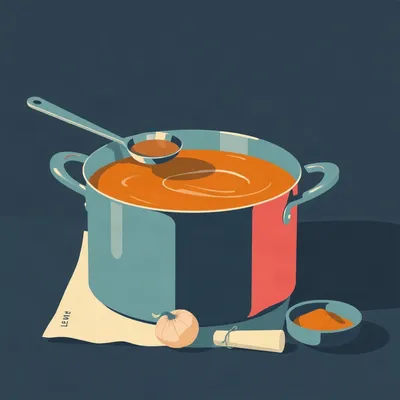
#5538: One Pot, 120 Curries: How BIR Kitchens Work
A single pot of onion base gravy is why a 120-item curry menu reaches your table in ten minutes — and why it might work at home too.
#5535: What's It Like Inside a 15-Month-Old's Head?
Rich sensation, no inner narrator, and memories that form but can't be retrieved — a tour of the fifteen-month-old mind.
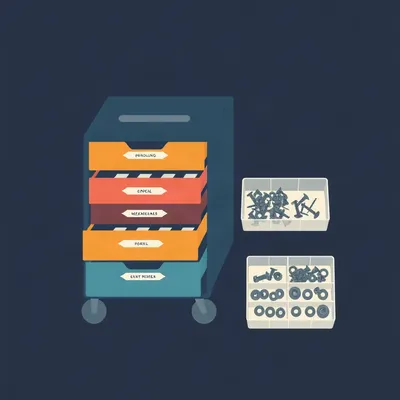
#5518: Task-Based Organization: What ER Carts Teach Home Workshops
Daniel's 64-tray parts box mirrors urgent care triage. The medical literature on task-based package organization has real numbers — and real disagr...
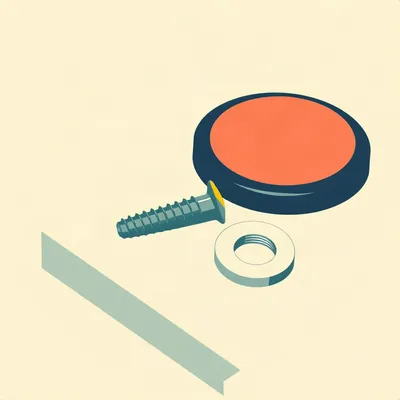
#5489: When Your Toddler Swallows a Screw
A screw and a washer from the same drawer are two different emergencies. Here's the triage protocol for the sixty seconds after the double take.
#5474: Why Tardive Dyskinesia Becomes Permanent
One in five antipsychotic patients develops TD. Why does it stick around after the drug stops — and how much do newer drugs help?
#5470: What a Hot Bath Actually Does for You
A friend's "you're stewing in your own dirt" comment ruined baths for Daniel for years. Here's what the research actually says.
#5468: Why Nobody Stops the Candy Bin Grazers
A hand, a mouth, forward motion: what open-bin snacking at Mahane Yehuda reveals about norms nobody enforces anymore.
#5462: Why Dopamine Blockers Stop Nausea (And Cause Fatigue)
Dopamine blockers stop nausea but cause brutal next-day fatigue. Why the same receptor does both — and what makes them risky long-term.
#5452: Why Fasting Makes Bile Reflux Worse
Stomach bug recovery advice is being retired — and if you've had your gallbladder out, fasting hits differently.

#5449: The Neurotic Jew: Where the Stereotype Came From
The anxious, overthinking Jewish personality — where did it actually come from? The answer isn't what you'd expect.
#5448: Toddler Mom-Clings After Daycare: What's Normal?
A 15-month-old suddenly wants only mom. Here's what attachment science says about daycare, clinginess, and whether dad can break in.
#5432: What Hospice Workers See at the Deathbed
A UK survey found 97% of palliative care staff witnessed deathbed phenomena. What they see — and why 92% never makes it into the chart.
#5429: Bathtime Safety: What the Data Actually Says
Two-thirds of child drownings inside the home happen in the bathtub. Here's what the research says about temperature, supervision, and the towel.