
Geopolitics
International affairs, defense, intelligence, and regional conflicts
Power struggles between nations, shifting alliances, proxy wars, and the strategic calculations that shape our world. This channel tackles the big-picture forces driving international affairs — from great-power competition and intelligence operations to regional flashpoints — with a particular focus on the Middle East and its ripple effects across the globe.
#5731: Inside the FlyDubai Cockpit Axe Interrogation
A co-pilot, an axe, and a 14,000-foot dive. What actually happens in the interrogation room — and why the calm matters.

#5726: Vetting Pilots: The Flydubai 1073 Questions
A crash-axe attack over Israel raises five hard questions about who actually vets flight crews — and whether route-specific screening can work.

#5714: The Moon's Junkyard Has a Gift Shop
150 tons of stuff sits on the Moon. Two objects on one square meter tell opposite stories: a $5.50 nylon flag and a silicon disc built for millennia.
#5713: Who Rescues You at the Ends of the Earth?
The Arctic has a binding rescue treaty. Antarctica has nothing. Here's who actually comes when you're stranded at the poles.
#5712: Can NASA Actually Build a Moon Base?
NASA's Moon Base plan is a to-do list, not a physics wall — but the transport chain is the thing standing in the way.
#5711: Ireland's Offshore Islands: Who Lives There Now?
Ireland's offshore islands were dying for a century. Then the 2022 census showed the first real uptick. Here's what changed.
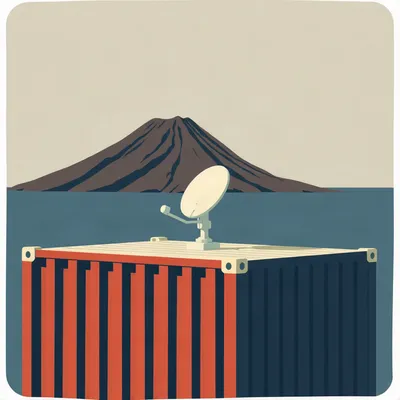
#5710: Tristan da Cunha: Life on the World's Most Remote Island
222 people, one village, and a dialect that conjugates like a single person — what life is actually like on the world's most remote inhabited island.
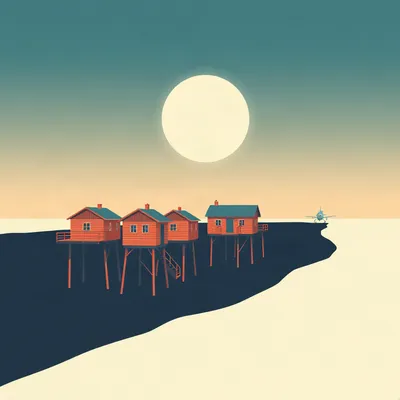
#5709: Life at 76°N: Inside Canada's Arctic Outposts
Grise Fiord scores 0.9839 on Canada's remoteness index. Toronto scores zero. What daily life looks like at the top of the world.
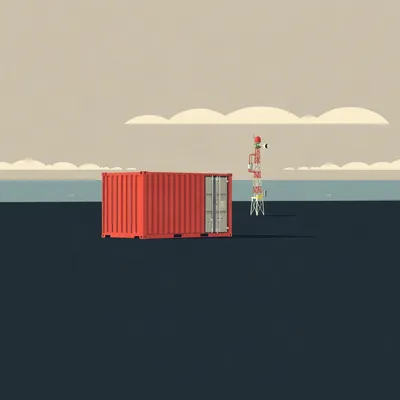
#5708: The Islands Between Two Oceans
Fifteen obscure sub-Antarctic islands, the governments that run them, and the penguin who holds a noble title.
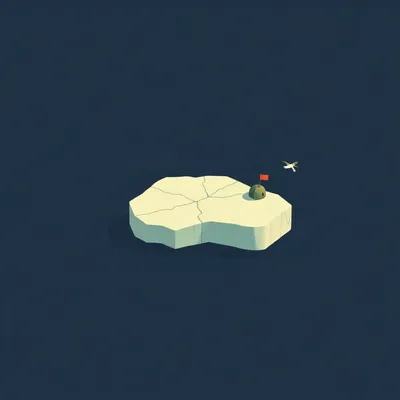
#5706: Two Poles, Two Fates: Arctic vs Antarctic
One pole is a militarized chessboard, the other a treaty-bound science preserve. Same frozen water — completely opposite outcomes.
#5698: What Happened to Iran's Nuclear Threat?
A war was launched over an imminent nuclear threat. Now the threat has vanished from the conversation — and "degraded" is doing all the work.

#5686: What Arab Israelis Actually Say About Identity
Same population, same year, wildly different numbers — why the Arab Israeli identity polling keeps contradicting itself.

#5685: East Jerusalem's Residency Trap: What 300,000 People Actually Want
A third of East Jerusalem's residents hold residency, not citizenship. What the polling says about identity surprises almost everyone.

#5684: Who Built the Dome of the Rock?
The stones are documented. The dirt underneath them has never been dug. Why the Temple Mount is archaeology's biggest open question.

#5683: How a Handshake Became the Temple Mount Status Quo
No treaty, no law, no signature — just Moshe Dayan's oral agreement with the Waqf, still governing the Mount 59 years later.
#5671: Why Armies Still Fight With Paper Maps
Paper maps mean opposite things: prudence in Finland, a broken supply chain in Russia. Same artifact, opposite story.

#5669: Flydubai 1073: When the Threat Is in the Cockpit
A first officer stabbed his captain mid-flight. What happened next — and why aviation's security model has no answer for it.
#5662: Right of Reply: What the Rulebook Actually Says
The IDF's 10-page rebuttal to NAZA bundles a valid procedural complaint with an invalid one. Here's what journalism codes actually require.

#5661: Same Pills, Same Gun, New State, New Crime
Fifty states, fifty legal answers. What happens when ordinary conduct is a felony one zip code over?

#5659: The Ethics of Anonymous Testimony in Documentary
A new IDF response to a Venice-winning film raises a sharp question: what do documentarians owe when sources stay truly anonymous?