
#pharmacology
102 episodes · Page 3 of 5
#3368: Can Antibiotics Ever Beat Evolution?
Bacteria share resistance genes across species. Can we design drugs that make resistance self-defeating?
#3354: Bile Reflux After Gallbladder Removal: What Works
Bile reflux after gallbladder removal affects up to 110,000 new patients yearly. No FDA-approved drug exists. Here's what helps.
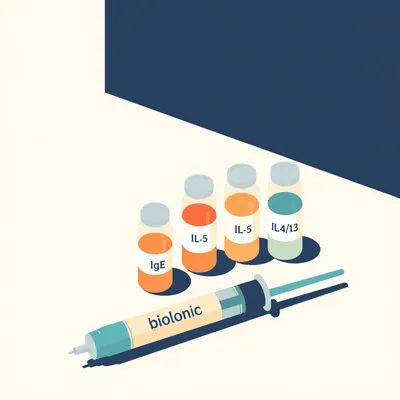
#3308: Biologics for Severe Asthma: Beyond Singulair
A guide to targeted therapies reshaping severe asthma treatment — from Xolair to Dupixent.
#3275: Why the Same Antidepressant Hits Different People Completely Differently
Two people, same drug, opposite outcomes. The answer is in your liver enzymes and brain receptors.
#3270: How SSRIs Actually Rewire Your Brain (and What Happens When You Stop)
The brain builds an entire scaffold on antidepressants. Why does it get torn down so fast when you stop?
#3268: Why Strattera Works (or Fails) Depending on Your Liver
How one liver enzyme explains wildly different reactions to the same ADHD drug.
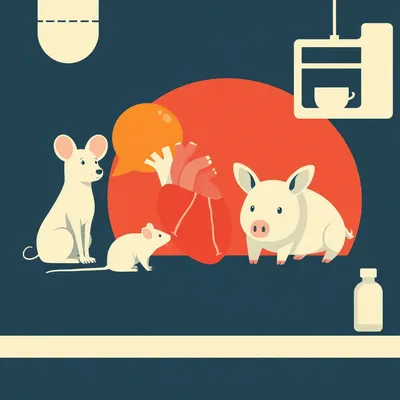
#3261: The Hidden Zoo of Drug Testing
Mice dominate headlines, but drug validation relies on dogs, pigs, ferrets, and macaques — each chosen for a specific human system.
#3260: How 10,000 Lever Presses Predict Addiction Risk
How rat breakpoints predict human abuse potential — and whether we can replace animal testing.
#3255: Catatonia Beyond the Frozen Statue
Catatonia isn't just frozen stillness—it's a motor dysregulation syndrome more common in mania than schizophrenia.
#3254: When a Single Patient Changes Medicine: Case Reports That Matter
Why do doctors write case reports for free? And how have single-patient observations sparked drug approvals?
#3253: Nicotine Receptors & Bupropion: How an Antidepressant Blocks Smoking
How bupropion hijacks nicotinic receptors to cut smoking reward and withdrawal — and why these receptors aren't really "nicotine" receptors.
#3248: Why Isn't Modafinil Used More for ADHD?
Modafinil boosts wakefulness and dopamine. So why does it lose to stimulants for ADHD?
#3239: Why the Brain Doesn't Fight Back Against Vyvanse
How SSRIs and Vyvanse trick the brain’s homeostatic machinery into healing instead of resisting.
#3170: Pharmacokinetics vs Neural Nets: Two Meanings of "Model
Two things called "models" that work completely differently — and why the confusion matters for patient safety.
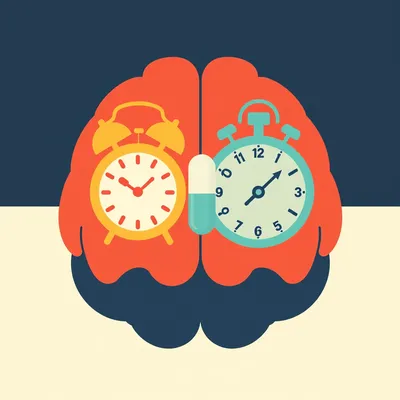
#3166: The Split in Insomnia Treatment: SOI vs SMI
Sleep-onset and sleep-maintenance insomnia have different biology, different drugs, and different treatments.
#3070: The Hidden World of Custom Drug Dosing
Why getting a precise 6.25mg Seroquel dose reveals the strange economics of custom medicine.
#3031: How Allergies Actually Work (And Why They're Getting Worse)
The immunology, the hygiene hypothesis, climate change's role, and how non-drowsy antihistamines really are.
#3027: Why You Wake at 3 AM and Can't Get Back to Sleep
60% of chronic insomnia cases involve waking up mid-night. Here's what's different in your brain and what actually works.
#2965: How Your Liver Actually Processes Drugs
The five half-life rule, grapefruit juice warnings, and why some drugs don't follow the rules.
#2912: Why SSRIs Can Make You Drenched at 3 AM
SSRIs can wreck your body's thermostat. Here's the neuropharmacology behind night sweats and what you can do.
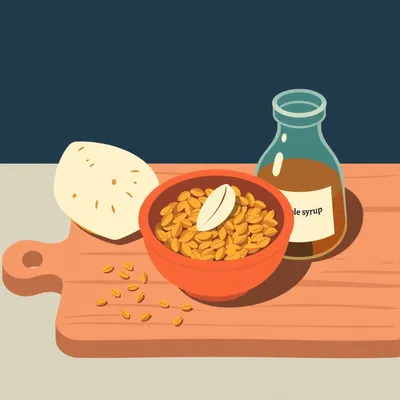
#2903: The Maple Syrup Paradox of Fenugreek
Fenugreek smells like maple syrup but tastes bitter. How one bean fooled the world for 8,000 years.
#2891: Do ADHD Drug Holidays Actually Work?
The science behind taking breaks from stimulant medication—does it reset dopamine or just disrupt treatment?
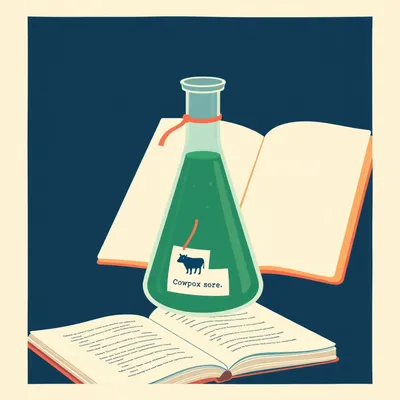
#2858: The Five Platform Shifts in Vaccine History
From variolation to mRNA: how vaccine technology has evolved through five distinct platform shifts.
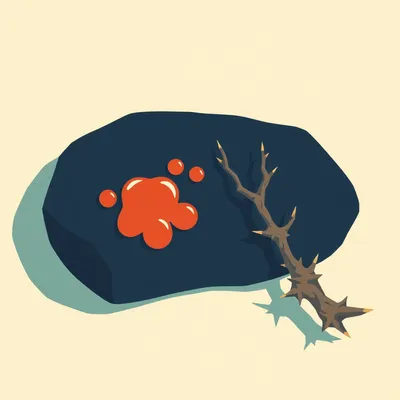
#2716: Myrrh: The Ancient Resin Worth More Than Gold
Myrrh was once worth its weight in gold. Here's the botany, ancient trade, and medicinal chemistry behind it.