
#psychopharmacology
77 episodes · Page 3 of 4
#2889: How ADHD Meds Actually Work in Your Brain
What happens neurochemically when you adjust your stimulant dose — and why more isn't always better.

#2720: Does More Money Actually Make You Happier?
The $75K happiness threshold is outdated. New research shows the real relationship between income and well-being is more nuanced.
#2663: When Opposing Drugs Cooperate
Two opposing drugs collide in your system. Do they cancel out or work together?
#2609: Mapping the Therapy Family Tree: CBT, ACT, DBT & Beyond
How CBT, ACT, and DBT actually evolved — and why matching therapy to personality matters.

#2607: Life Coaching vs Therapy: How to Choose
Life coaching, therapy, or something else? A practical framework for navigating the confusing world of helping professions.
#2584: Why ADHD Meds Feel Cleaner Than Coffee
The neurochemical difference between caffeine and prescription ADHD drugs isn't about strength — it's about mechanism.

#2579: Why You Feel Watched (And Why You're Not)
Why sitting alone in public feels so awkward — and what the research says you can do about it.
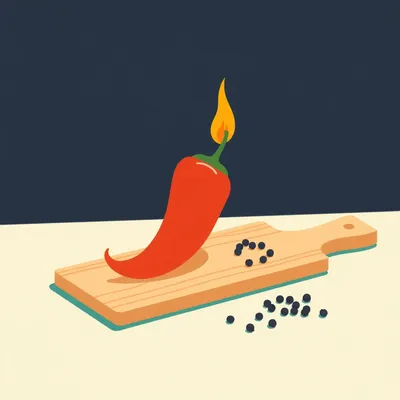
#2562: Why Do Humans Love Food That Burns?
The science of why we enjoy pain from chili peppers, from ancient domestication to modern hot sauce culture.
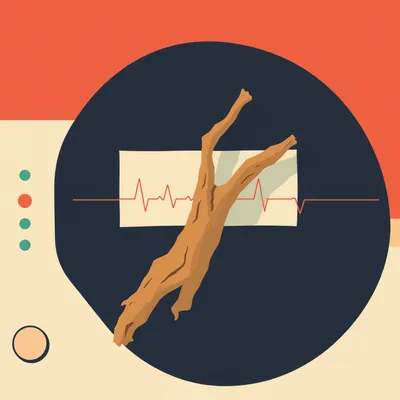
#2533: Can Ibogaine Really Reset Addiction?
A deep dive into ibogaine's anti-addictive potential, cardiac risks, and the push for FDA-approved analogs.
#2529: Depression Subtypes: Is It Cognitive or Biological?
Not all depression is the same. Here's what science says about melancholic, atypical, and biotype-based subtypes.
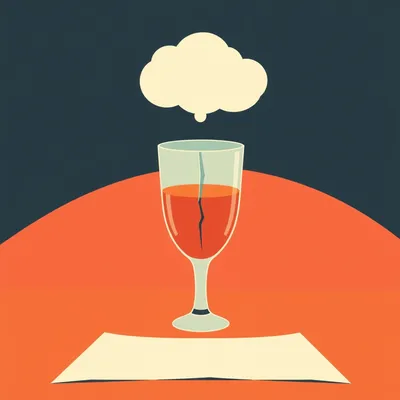
#2484: The Alcohol-Depression Paradox: A Neurochemical Bridge
Why depressants worsen depression through rebound effects, not direct action — the real mechanism explained.
#1803: Why Hostages Defend Their Captors
A tech exec was brainwashed in 2025. The neurochemistry is the same as Stockholm Syndrome.
#1769: Affirmations & Visualization: Science vs. Wishful Thinking
We unpack the $43B personal development industry: why "I am lovable" can make you feel worse and how mental rehearsal actually rewires your brain.

#1726: 2500 Years of Bad Medicine: The Slow Surrender
Bloodletting dominated medicine for 2500 years. Here’s how science finally admitted it was wrong.
#1664: Why Your Face Leaks Before Your Brain Approves
Why do we cry at sad movies or laugh at bad jokes? New research reveals how facial expressions evolved as a two-way communication system.
#1660: How Hostage Negotiators Really Work (Not Like the Movies)
Forget the lone hero with a headset. Real crisis negotiation is a team sport built on psychology and timing.

#1646: How State Brainwashing Actually Works
From North Korea's civil religion to Iran's child recruitment, regimes use three core levers to control populations. The psychology is sophisticate...
#1588: The Architecture of Sleep: Rebuilding Restorative Rest
Is sedation the same as sleep? Explore the biological map of rest and learn how to renovate your brain’s nightly cycles for true recovery.
#1377: Beyond the Brain Reset: The Science of Psychedelics
Move beyond the "brain reset" metaphor to explore how psychedelics physically restructure the brain at a cellular level.
#1274: The Weight of "Mild": Understanding Chronic Depression
"Mild" depression isn't a light burden—it's a slow rot. Discover why clinical labels often fail to capture the reality of chronic low mood.

#1268: The Paradoxical Nap: Why ADHD Meds Can Cause Fatigue
Why do stimulants make some ADHD brains want to nap? Explore the science behind the "paradoxical effect" and the search for neurological quiet.
#1063: The Physics and Ethics of Deathmatch Wrestling
Beyond the "fake" label: Discover the science of how wrestlers survive glass panes, light tubes, and mercury exposure in the ring.

#1051: The Pharmacological Soldier: Engineering the Battlefield
Explore how modern militaries use pharmacology to bypass human biology and redefine the limits of endurance on the battlefield.

#899: 44 Hours in the Cockpit: The Limits of Human Endurance
How do pilots stay alert for 44-hour missions? Herman and Corn explore the grueling science of fatigue management in long-range air combat.