
Electronics
239 episodes
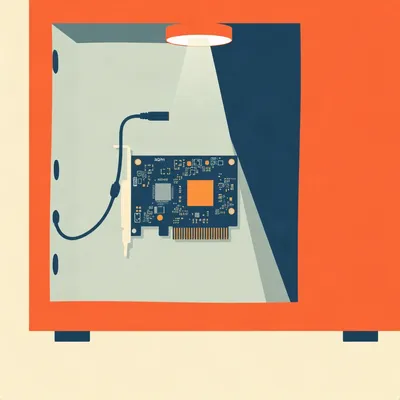
#6128: Where the Screws Go: Internal KVM Mounting
PiKVM, NanoKVM, JetKVM, and BliKVM all promise remote rescue — but wiring one inside your case is a different problem entirely.

#6010: Ten Ridiculous Wearables, Ranked by Sincerity
Brainwave cat ears, a tomato-dispensing shoulder robot, and a $3,000 sock tracker — all built with total sincerity.

#5986: Electronics Kits for Toddlers? What Actually Works
No kit exists for a 15-month-old — but the age question splits into three windows: kits at 5, breadboards at 10, microcontrollers at 13.
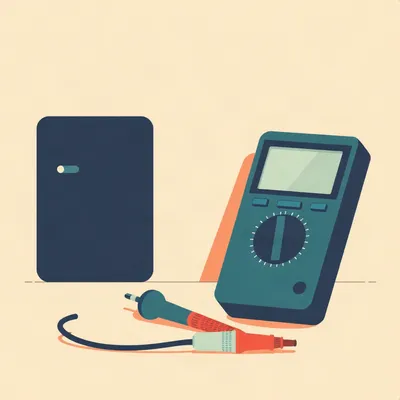
#5984: Reading a Mystery Adapter's Voltage Without a Label
An unpowered DC jack is electrically silent — so how do you find the right voltage? The answer isn't in the pins, it's in the current curve.
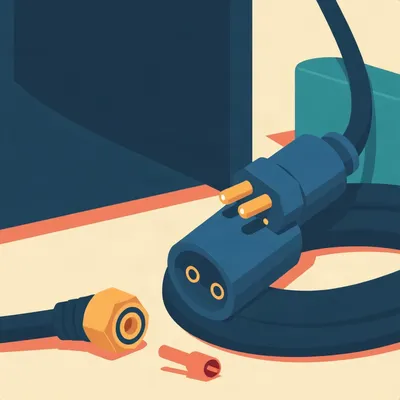
#5897: Why You Can't Buy an IEC 60309 Power Strip
Daniel wired his first blue 16A commando plug. The cable math is easy — the missing product category is the interesting part.

#5889: How Pipeline Pigs Actually Work
A bundle of straw that squealed through the pipe gave the industry its weirdest word. Now pigs weigh tons and hunt cracks underground.
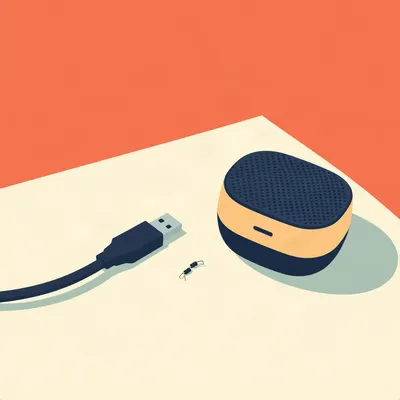
#5871: Why Your USB-C Charger Won't Talk to Cheap Devices
A pocket speaker charges on USB-A but flashes red on USB-C. The answer is two missing resistors and a handshake that never happened.

#5865: Four Pocket Players That Won't Sell You a Device Today
Mono, Fonix One, Sudo, and DuRoBo Krono all promise phone-free podcast listening — and not one of them is ready to ship today.

#5847: Why One EQ Curve Can't Fix Two Voices
One static EQ curve can't serve two different voices — here's why, and what actually works instead.

#5834: Dead Man's Switches: Alerts vs. Final Notices
Same mechanism, opposite goals: hardware that fires in two seconds when you fall, and services that wait sixty days to confirm you're gone.

#5806: Graphene's Real Story: Lab to Fab at Last
Graphene's properties were never hype — the physics is real. The hard part was always making it at scale. That's finally changing.
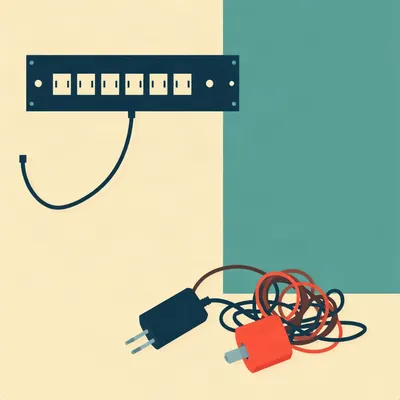
#5754: Your Home Rack's Power Problem, Solved
Data centers look immaculate, your rack looks like a raccoon got into a cable box. Here's what actually transfers from pro PDUs to home.

#5749: From Sand to Trillion-Dollar Chips: Semiconductors in 5 Levels
A bad conductor and a bad insulator — and the most important material in civilization. Semiconductors explained in five escalating levels.

#5748: What's Actually Inside an eSIM Adapter
An eSIM adapter isn't a converter — it's a eUICC chip in a SIM shell. Here's the silicon, the certificates, and the open source tools underneath.

#5745: Why Europlugs Fit Israeli Sockets So Badly
A 2.5-amp plug, a 16-amp socket, and half a millimeter of interference. The physics of a connection that was never meant to hold.
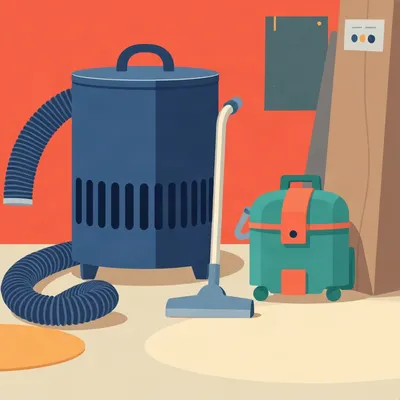
#5739: Why Your Vacuum Is Legally Weaker Than a Shop Vac
A toddler, a Bosch, and an EU power cap: why the consumer vacuum in your closet is legally weaker than the dust extractor at the tool shop.

#5737: Why Measuring a $4 Spudger Tip Is Weirdly Hard
A listener wants to put a number on his spudger's tip thickness. Turns out that's a real metrology problem.
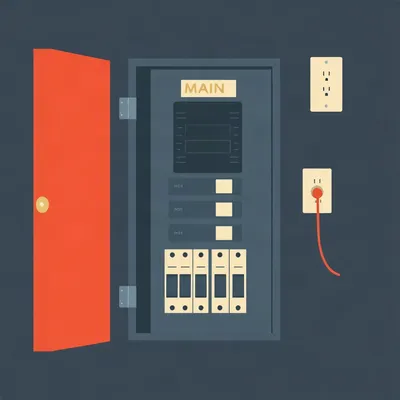
#5735: The Breaker Protects the Wire, Not You
How service size, load calculations, and the 80% rule actually determine what your outlets can deliver.
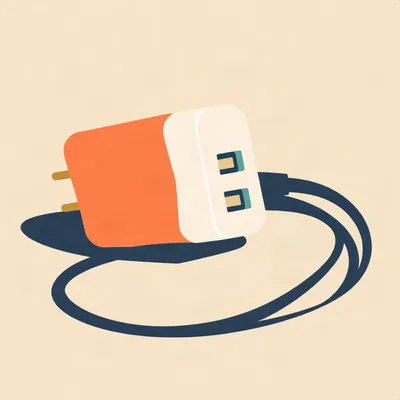
#5734: USB Amps: What Actually Happens When You Plug In
Your device pulls current, it doesn't get pushed — and that changes everything about picking USB adapters.
#5732: Why You Own 40 Unlabeled Power Supplies
Three standards bodies tried to fix DC connectors. The box of mystery bricks in your closet is the result.

#5723: Task Lighting Spec Sheets: Wattage, CRI, Kelvin & Dimming
What the box tells you, what it hides, and the four numbers that actually predict how a task lamp behaves.
#5721: What's the Red and Black Speaker Cable Actually Called?
It's called zip cord — and the gauge you need depends entirely on current, not the 300V printed on the jacket.

#5720: Active, Passive, and the Speaker That Lied to Daniel
A rented PA speaker turns out to be mislabeled, and untangling why reveals the real difference between active and passive — plus what mic and line ...
#5718: How Far Can You Run RCA, XLR, and 3.5mm Cables?
Published cable-length advice ranges from 3 meters to 200 feet. The physics explains why — and why the cable isn't the variable that matters.