
Manufacturing
123 episodes
#6156: Why Civilization Waited 12,000 Years to Take Off
Ancient engineers built geared computers and self-healing concrete. So why did the industrial takeoff wait until 1760?
#6107: Warum deutsche und japanische Anleitungen so gut sind
Wie die duale Ausbildung in Deutschland und die Monozukuri-Philosophie in Japan erstklassige Dokumentation hervorbringen.

#5985: Meccano at 125: What Kids Actually Learn From Bolts
Meccano just relaunched for its 125th year — but does childhood tinkering actually build lasting engineering intuition?

#5935: How Pressure Actually Bonds VHB Tape
Fifteen pounds of force isn't fifteen psi of pressure. That gap is why your whiteboard might fall off the wall.
#5894: Printing Money Isn't What You Think It Is
Central banks order billions of banknotes a year — but that's replacement, not stimulus. Here's how cash actually gets made and destroyed.
#5884: The Machines That Take 5 Years to Replace
Large power transformers, HVDC converters, nuclear forgings — why some essential machines have no quick reorder.

#5806: Graphene's Real Story: Lab to Fab at Last
Graphene's properties were never hype — the physics is real. The hard part was always making it at scale. That's finally changing.

#5787: Inside the Two Steel Industries
Steel is really two industries wearing one word — and the health and carbon ledgers land in different places.

#5776: Why UV Epoxy Keeps Curing in the Dark
UV epoxy isn't the same as craft-store UV resin — and its acid-based cure keeps working long after the light goes off.
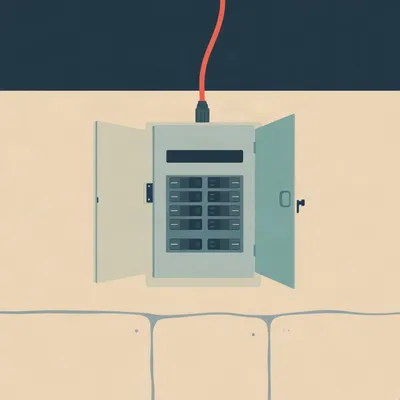
#5765: Why You've Never Heard of Schneider Electric
It's on your breaker panel, your UPS, and half the factories on earth — so why is Schneider Electric almost invisible?
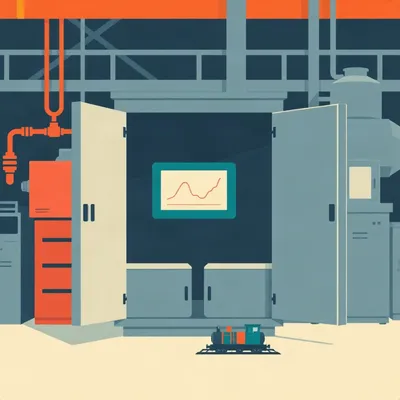
#5764: What Does Siemens Actually Make?
Factories, buildings, trains, power grids — Siemens is everywhere and nearly invisible. A tour of the industrial giant most people can't explain.

#5749: From Sand to Trillion-Dollar Chips: Semiconductors in 5 Levels
A bad conductor and a bad insulator — and the most important material in civilization. Semiconductors explained in five escalating levels.

#5741: The Bulb That Lit the 20th Century
From Edison's carbon filament to the blue LED that unlocked white light — how we got from 1 lumen per watt to 150.
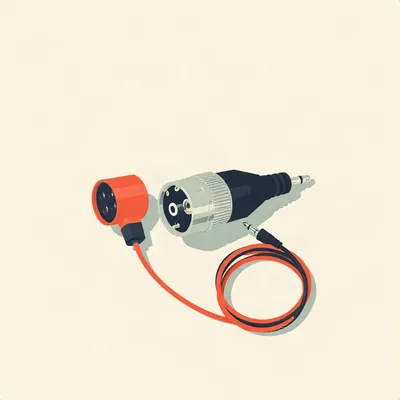
#5676: DIY Cable Guide: Barrel Jacks, XLR, and What to Avoid
Soldering your own cables won't save money — it buys exact-length runs. But some connectors hide polarity traps and tooling costs.

#5674: Sharpen vs Hone: The Right Knife Tool
A whetstone is the pro's choice — but it might be the wrong tool for the knife you actually own.
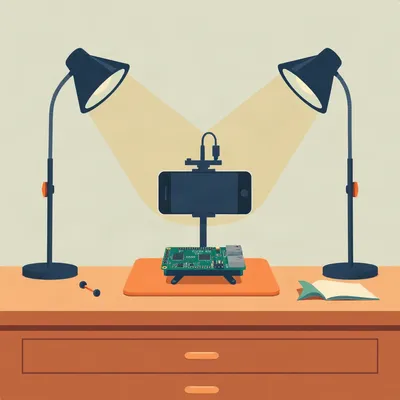
#5656: Why a Headlamp Fails at Precision Electronics Work
A camping headlamp is better than nothing — but it's the wrong tool for board work. Here's what the specs actually say.
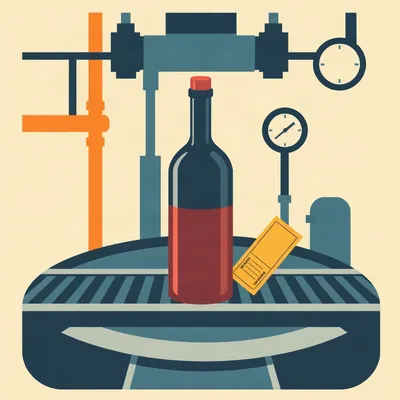
#5565: Inside the Factory: Why Plant Tours Are Addictive
Boeing, Ford, and Shenzhen's Future Factory: why watching a bottling line is mesmerizing, and where to find real golden tickets.
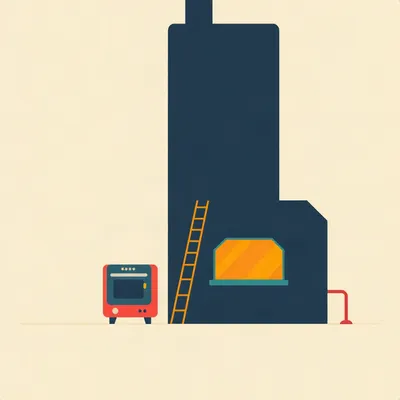
#5562: What "Heavy Industry" Actually Means
It's not about weight — it's about capital intensity and cycles. Why the heavy/light split is younger than the factories it describes.
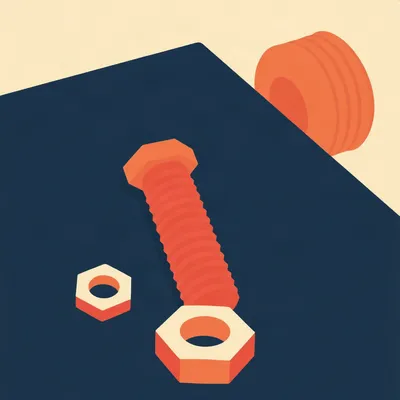
#5333: How Screws Conquered the World
The screw spent 2,000 years as a machine before it held anything together. Here's how it became the hardware aisle we know.

#5329: One Box of VESA Mounts, Three Wrong Assumptions
Daniel's box of orphaned VESA mounts raises three questions — and the answers all point away from welding.
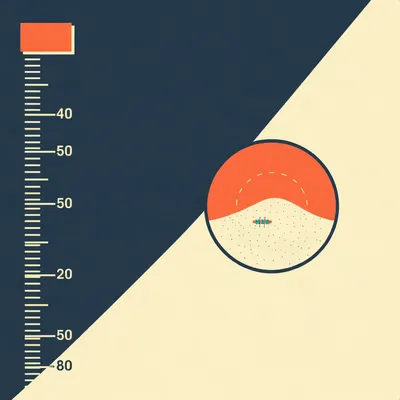
#5321: From Millimeters to Atoms: The Units of Small
A millimeter is the last unit you can feel. Below it, the trades borrow microns, mils, and angstroms — and the atom is a different regime entirely.

#5320: Where Does Micro-Engraving Actually Begin?
The naked eye's real resolution limit isn't what textbooks say — and it changes everything about micro-engraving and micro-soldering.
#5286: Soldering Isn't Dead — It's a Hiring Bottleneck
Robots build the boards, but humans fix them — and the industry can't hire enough people who can hold an iron.
#5268: 10 Absurd Power Tools That Actually Got Made
A motorized leaf pruner, a chainsaw bayonet, and the Suck Kut — ten power tools that solve problems nobody had.