
Privacy & Surveillance
Data collection, smart TV spying, deepfakes
12 episodes

#3704: Can Pornography Ever Be Regulated Fairly?
The labor conditions behind adult films and whether real regulation is possible — or just a fantasy.
#3272: Can Your Walk Really Identify You?
Gait recognition is leaving the lab. But is your walk actually unique, or just a handful of patterns?

#3216: EFF's 36-Year Fight for Digital Rights
How the Electronic Frontier Foundation has fought for internet freedom since 1990 — from the Crypto Wars to border phone searches.

#3184: The Prank That Fooled Us All
How a sophisticated hoax exploited emotional vulnerability and what it reveals about deception in the AI age.
#2892: Where Does Your Biometric Data Actually Live?
Linux, Windows, and the surprising tradeoffs of storing your face and fingerprints.
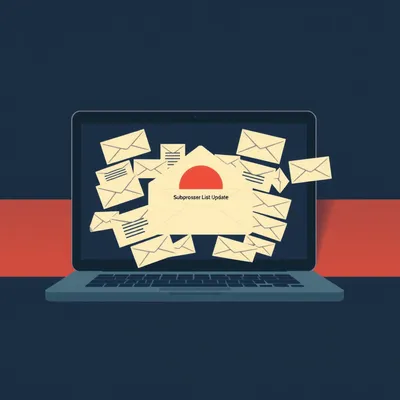
#2805: The Subprocessor Notification Nobody Reads
Why do companies send subprocessor update emails nobody reads? It's transparency theater — with a hidden purpose.
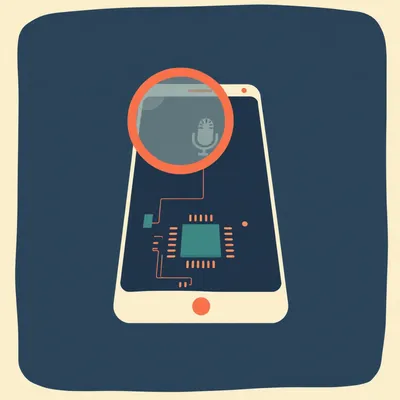
#2696: How Pegasus Silently Hijacks Your Phone's Microphone
How NSO's Pegasus achieves silent mic access on Android through zero-click exploits, kernel privilege escalation, and DMA buffer reading.
#1890: Forensic Cameras vs. the 'It's Just AI' Defense
If a photo can be faked in seconds, how does law enforcement prove their surveillance footage is real?
#1775: Why Some Cultures Guard Privacy and Others Share Everything
We explore why privacy feels like a human right to some cultures but a modern luxury to others.

#1772: PGP vs. Gmail: Who Really Holds Your Keys?
You see a padlock icon and think your email is safe. But does end-to-end encryption actually protect you, or just create a false sense of security?
#1721: AI Doxxing: Why Your Writing Style Is a Liability
AI tools now identify anonymous users by analyzing their unique writing patterns, making traditional privacy measures less effective.
#1719: Why Pattern Matching Fails for PII at Scale
Regex alone is brittle; NER is expensive. See how hybrid frameworks like Presidio balance speed and accuracy to stop data leaks.