
Mental Health
ADHD, medication access, assistive technology
49 episodes
#3130: How to Fight Better: The Science of Healthy Conflict
The first 3 minutes of a fight predict divorce with 90% accuracy. Here’s what to do about it.
#3123: What Research Says About Healthy Families
Beyond the greeting-card version—what the data actually says about what makes families work.
#3114: Life Underwater: 90 Days Without Sun
How do submariners survive months underwater without sunlight, fresh air, or contact with home?
#3027: Why You Wake at 3 AM and Can't Get Back to Sleep
60% of chronic insomnia cases involve waking up mid-night. Here's what's different in your brain and what actually works.
#2958: The Lost Art of Bench-Sitting
What Mediterranean bench-sitters know about companionship, longevity, and why doing nothing together matters.
#2912: Why SSRIs Can Make You Drenched at 3 AM
SSRIs can wreck your body's thermostat. Here's the neuropharmacology behind night sweats and what you can do.
#2891: Do ADHD Drug Holidays Actually Work?
The science behind taking breaks from stimulant medication—does it reset dopamine or just disrupt treatment?
#2890: Hyperfocus Isn't a Superpower
When focus becomes a trap. The signs of overmedication, the dopamine crash, and why you can't stop.
#2889: How ADHD Meds Actually Work in Your Brain
What happens neurochemically when you adjust your stimulant dose — and why more isn't always better.
#2753: ADHD-Friendly Systems for Overwhelmed Parents
Paper checklists, plain text files, and context-specific triggers—building a user manual for life when executive function is maxed out.
#2749: The 16-Hour Day Behind an 8-Show Week
What a Broadway actor's day actually looks like: silent mornings, straw phonation, and two-show days.

#2731: ADHD in Adults: The 60% Reality
ADHD doesn't fade by adulthood for most people. Here's what the data actually shows.

#2730: Late Diagnosis at 57: Rewriting Your Life
What happens when you learn you’re autistic at 57? It’s not just relief—it’s a full rewrite of your entire life story.

#2726: Radio Listening vs Podcast Guilt
Why does podcast listening feel different from radio? A deep dive into attention, multitasking, and the psychology of audio.
#2720: Does More Money Actually Make You Happier?
The $75K happiness threshold is outdated. New research shows the real relationship between income and well-being is more nuanced.
#2663: When Opposing Drugs Cooperate
Two opposing drugs collide in your system. Do they cancel out or work together?
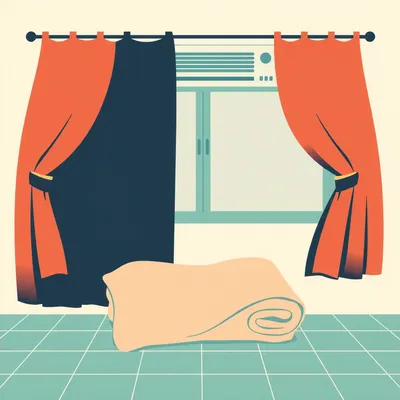
#2624: Sensory Reduction vs Deprivation: A Home Toolkit
Why you don't need a $80 flotation tank—just blackout curtains, earplugs, and a cool floor.
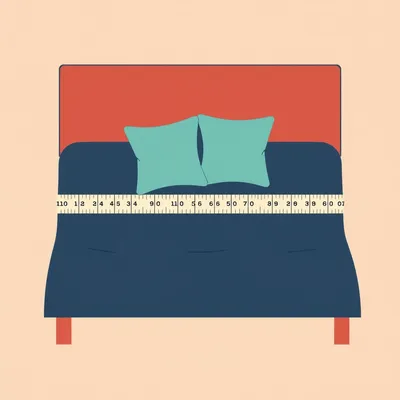
#2623: How Much Bed Space Do You Actually Need to Sleep Well?
140cm bed for two? Research shows a 62% reduction in sleep disturbances just from having adequate space.
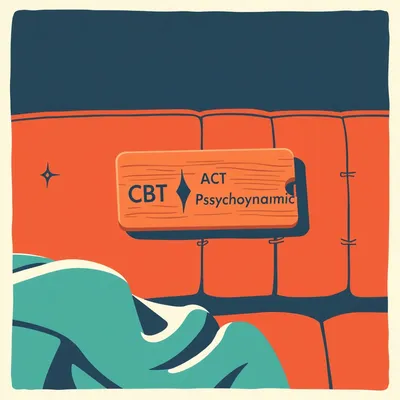
#2612: Can You Speed-Date Your Way to the Right Therapy?
Finding the right therapy is a guessing game. What if you could sample different approaches before committing?
#2609: Mapping the Therapy Family Tree: CBT, ACT, DBT & Beyond
How CBT, ACT, and DBT actually evolved — and why matching therapy to personality matters.
#2607: Life Coaching vs Therapy: How to Choose
Life coaching, therapy, or something else? A practical framework for navigating the confusing world of helping professions.
#2606: Mapping the Most Misunderstood Profession in Healthcare
OT isn’t just handwriting and stroke rehab. It’s sensory diets, energy management, and designing your life.
#2605: Tracing the Hidden History of CBT to Life Coaching
How a 1960s psychiatrist's insight about automatic thoughts became the foundation of a $20 billion coaching industry.
#2584: Why ADHD Meds Feel Cleaner Than Coffee
The neurochemical difference between caffeine and prescription ADHD drugs isn't about strength — it's about mechanism.

#2579: Why You Feel Watched (And Why You're Not)
Why sitting alone in public feels so awkward — and what the research says you can do about it.
#2565: Why Background Conversation Hijacks Your Focus
Why some brains can't filter out background conversation—and what actually helps.

#2560: Can You Actually Measure Happiness?
What does "happiness" really mean — and can you scientifically measure it? A deep dive into the data, flaws, and surprises.
#2529: Depression Subtypes: Is It Cognitive or Biological?
Not all depression is the same. Here's what science says about melancholic, atypical, and biotype-based subtypes.
#2528: How New Drugs Actually Fix Your Body Clock
Melatonin receptor agonists vs. sedatives — the science of fixing your clock instead of knocking it out.

#2527: Do Brain Changes from Therapy or Pills Actually Last?
Do SSRI brain changes reverse after stopping? Can therapy physically rewire your brain for good? New neuroscience has answers.
#2513: Are Your Thoughts Lying to You?
The science of automatic thoughts, cognitive distortions, and whether you can actually learn to control your thinking for a happier life.
#2480: Why Wartime Urgency Makes Checklists Stick
How checklists born in wartime shelters can fix everyday chaos — from keys to chores.
#2427: The Art of the Non-Productive Day: A Sloth's Guide
A deliberate, hour-by-hour template for guilt-free laziness, backed by neuroscience and sloth wisdom.
#2420: How 4 Countries Actually Destigmatized Mental Health
Australia, New Zealand, Rwanda, and the Netherlands show what structural change looks like — not just awareness campaigns.
#2415: Autism Numbers vs. the Noise
What the data actually says about global autism rates, diagnostic history, and why the numbers keep changing.
#2414: Is Love on the Spectrum Helping or Hurting?
A deep dive into the debates around Netflix's dating show: is it warm representation or a deficit lens?
#2294: The Side Sleeper’s Edge: Why Most of Us Sleep Curled Up
Why do 74% of people sleep on their side? Explore the science behind sleep positions and their impact on health and comfort.
#2231: How a Headlamp Rewires ADHD Attention
A camping headlamp accidentally revealed how ADHD brains process visual information differently—and what it teaches us about attention regulation w...
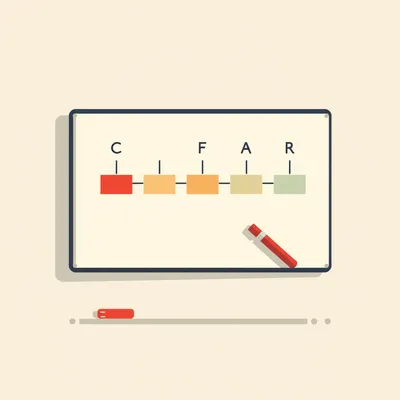
#2150: Debugging Your Brain’s Source Code
Learn the five-step CTFAR sequence that turns emotional chaos into a logical, debuggable system for a managed mind.
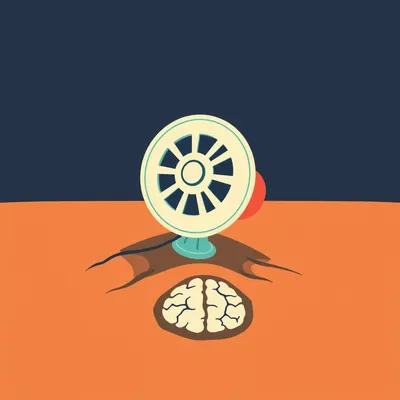
#2127: When the Siren Stops, the Brain Keeps Screaming
Six weeks of sirens rewires the brain for permanent alarm, turning a fleeting lull into a new kind of terror.
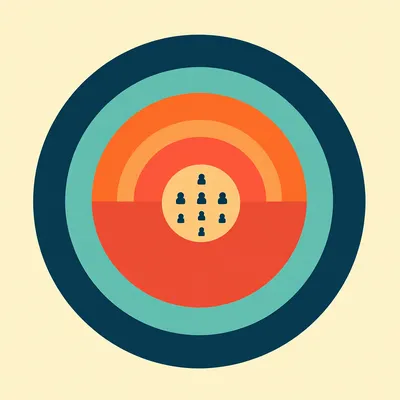
#2048: How Many Friends Do You Actually Need?
New data shows the average adult has just 3.6 close friends, and 15% of men have zero.

#2042: Gifted, Stigmatized, and Seeking Real Community
Why do online communities for the gifted become toxic, and how can you find real-world connections?
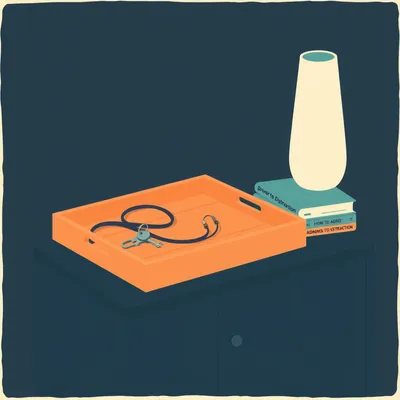
#2036: Finding ADHD Tools That Actually Stick
You've downloaded apps and bought books, yet nothing works. Here's why the search for solutions becomes its own source of overwhelm.
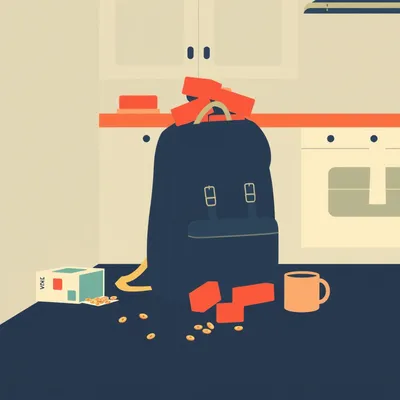
#2035: The Backpack Full of Bricks: Parenting With ADHD
Why standard parenting advice fails for ADHD brains and what survival actually looks like.
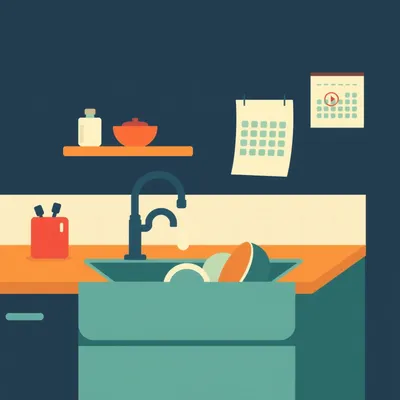
#2034: ADHD and Relationships: Breaking Unhelpful Patterns
ADHD time blindness creates a "parent-child" dynamic in relationships. Here’s how to fix it.

#2033: Who Actually Fixes Your ADHD Brain?
Overwhelmed by therapy, psychiatry, and coaching? We break down who does what for ADHD and time management.
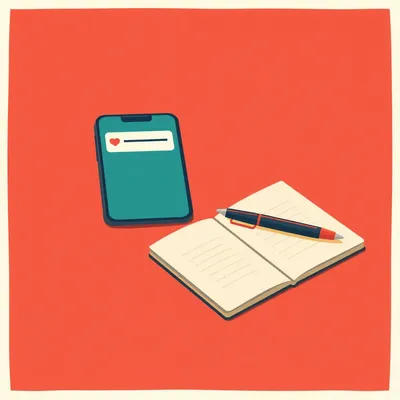
#2030: Making Productivity Apps Work for the ADHD Brain
That folder of unused apps? It’s not a personal failure—it’s a design problem. Here’s why complex tools backfire for ADHD brains.
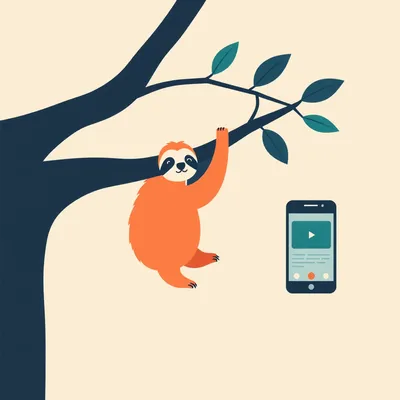
#1791: Why the Slowest Animal Has 4 Billion Views
The sloth has replaced the hustle icon. Here's why 4 billion views on TikTok prove we're desperate for metabolic stillness.
#1769: Affirmations & Visualization: Science vs. Wishful Thinking
We unpack the $43B personal development industry: why "I am lovable" can make you feel worse and how mental rehearsal actually rewires your brain.