
Health & Wellbeing
Medical topics, mental health, neuroscience, ADHD, neurodivergence, and wellness
#3453: Tool Belts for ADHD Parents: Offload Working Memory
A tool belt isn't just for construction—it's a prosthetic memory system for exhausted, distracted parents.
#3449: Can Therapy Replace Your Antidepressants?
Can psychotherapy reduce or eliminate the need for antidepressants? The evidence is more specific than you think.
#3448: How ACT Therapy Breaks Fusion with Your Thoughts
Cognitive fusion explained: when beliefs consume identity, and how defusion techniques create space between you and your thoughts.
#3444: Is Boredom Essential or a Bug to Fix?
Boredom triggers creativity, but only if you don't fill every gap with a screen. What the science actually says.
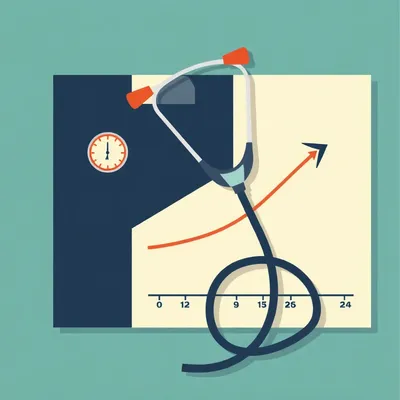
#3443: What Makes a Pediatrician's Diagnostic Skill Unique
How pediatricians diagnose without patient history, reading cries, body language, and parent-child dynamics.
#3442: The Guilt of Idle Time: Puritan, Torah & Stoic Roots
Why can't we rest without guilt? Three ancient traditions that fuel modern productivity anxiety — and the pushback against them.
#3441: How to Unpack Your Inherited Life Script
Practical heuristics for separating authentic desires from borrowed life paths, grounded in decades of clinical research.
#3440: Happiness Is a Choice (But Here's Why It's Hard)
Why we chase the wrong things for happiness — and what actually works, according to decades of research.
#3401: How UDCA Fixes Your Bile Chemistry (Not the Reflux)
UDCA doesn't stop bile reflux—it swaps harsh bile acids for gentle ones, protecting your stomach lining.
#3391: Fast vs Slow Decision-Making: The Neuroscience
How your brain architecture determines whether you decide in seconds or weeks — and why both styles win.
#3379: Why Airports and War Zones Both Feel Strangely Calm
The science behind feeling oddly relaxed in transit—and why national emergencies trigger the same response.
#3378: School Start Ages and Homeschooling: What the Data Actually Says
Does starting school later or homeschooling more actually improve outcomes? The data might surprise you.
#3377: How to Silence Your Internalized Critic
Four evidence-based paths to quiet the toxic voice installed by critical caregivers and rebuild trust in yourself and others.

#3376: The Architecture of Childhood: Adult Children of Alcoholics
Why the COA movement isn't about preventing addiction — it's about healing the survival strategies you built in an unpredictable home.
#3375: Does Expressiveness Actually Make Us Happier?
Mediterranean hand gestures vs. Finnish silence — which culture is actually happier? The data may surprise you.
#3374: Is Your Desk Making You Dumber?
Sitting at a desk for 8+ hours isn't neutral—it might be making you less creative, more tired, and driving turnover.
#3373: What Feral Cats and Goldfish Reveal About Animal Minds
From feral cats in Jerusalem to goldfish memory myths—what do we actually know about animal inner lives?
#3369: Why Viruses Are So Hard to Treat
Bacteria have unique targets. Viruses hijack your cells. That changes everything about treatment.
#3368: Can Antibiotics Ever Beat Evolution?
Bacteria share resistance genes across species. Can we design drugs that make resistance self-defeating?
#3367: Why Colds Follow a Predictable Script
Sneezing, then aches, then a runny nose — your cold follows a script written by evolution, not the virus.