
Urban Design
186 episodes
#6019: Who Should Decide What Gets Built?
A listener asks what developers' role in a city should really be — and two very different cities show what happens when you get the answer right or...
#5934: Why Modiin Is Ugly Despite Its Form-Based Code
Modiin had a form-based code and still came out ugly. The reason sits in what the code refused to regulate: facades, windows, materials.
#5933: Form-Based Codes and the City That Feels Dead
Can a zoning document create a walkable Levantine city with real character — or does over-planning kill the spontaneity that makes cities alive?

#5931: What the Council on Vertical Urbanism Actually Decides
The body that rules on the world's tallest buildings just dropped "tall buildings" from its name. What does that mean for Jerusalem's Marom Tower?

#5924: Living Among the Dead: Cemetery Housing, Cairo to Manila
Cairo's City of the Dead holds roughly a million residents. Manila North, six thousand. Nobody has ever counted the global total.
#5923: Plus Codes: Free Addressing Nobody Uses
A free, offline, 14-metre addressing system exists — so why do ambulances still can't find the house?
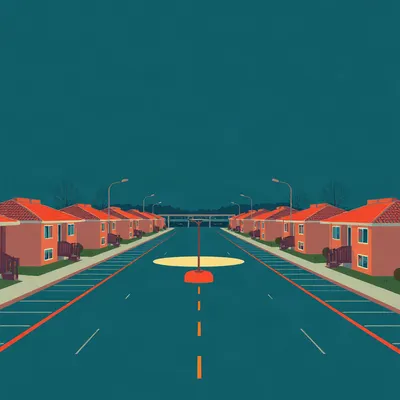
#5896: Modiin, Safdie, and the Suburb That Was Meant to Be a City
Moshe Safdie designed Modiin to be a real city. Thirty-seven years later, residents say there's nowhere to go at night.
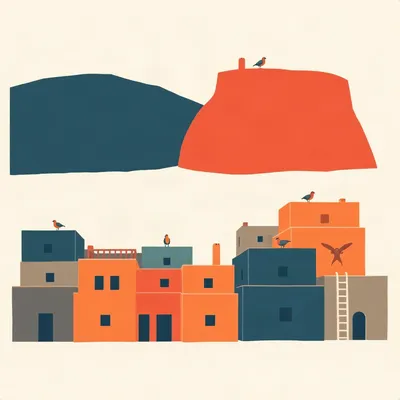
#5895: Can Cities Be Quiet? Designing Density for Families
Families leave cities for space, quiet, and schools. What if cities could deliver all of that without losing walkability?
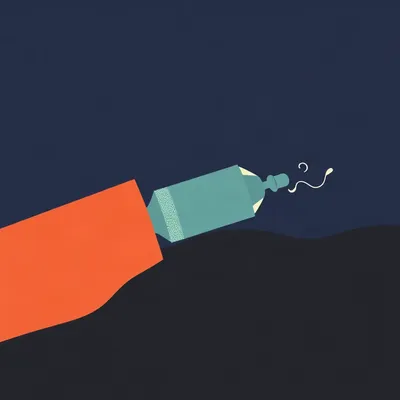
#5890: Fifteen Miles an Hour Through a Metal Pipe
Paris ran 427 km of pneumatic tube under its streets and moved 30 million messages a year. Then the fax machine replaced it.
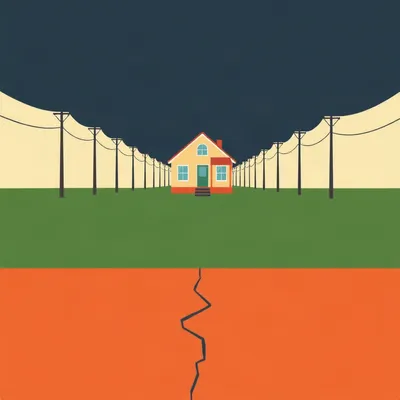
#5880: Why Suburbs May Be a Bad Deal
Suburbs promise the best place to raise kids — but the research on childhood independence, municipal finance, and carbon says otherwise.
#5677: When 80,000 Pilgrims Fill Your Neighborhood
Sukkot turns central Jerusalem into a pilgrimage site. What can locals borrow from New Yorkers who live beside Times Square?
#5670: Circadian Policy: Light, Schedules, and Public Health
What if a task force treated light and time as public infrastructure? The science of circadian alignment — and the policies that follow.
#5633: Is Construction Noise Actually Inevitable?
What if the jackhammer isn't the problem? A look at how deep garages, tall towers, and concrete make cities loud.
#5632: Why Cities Keep Digging Expensive Parking Holes
Parking minimums bury money underground — and shape the towers above. What Jerusalem's luxury towers reveal about rules nobody chose.

#5616: What Your Window View Does to Your Brain
A 1984 Science study, cortisol in cord blood, and why trees beat sky and grass — the research on what your window view actually does to you.
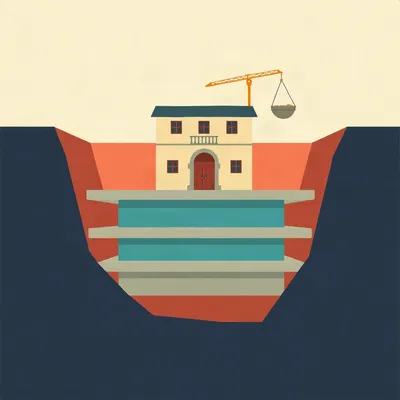
#5613: Seven Stories Down, Building Stays Up
A historic Jerusalem house is staying put while a seven-story car park is carved out beneath it. Here's how top-down excavation actually works.
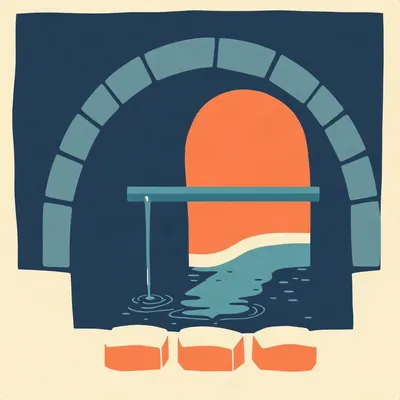
#5595: Roman Roads Still Running Under Modern Cities
The Aqua Virgo still pours into the Trevi Fountain. The Cloaca Maxima still drains central Rome. What keeps ancient infrastructure alive?
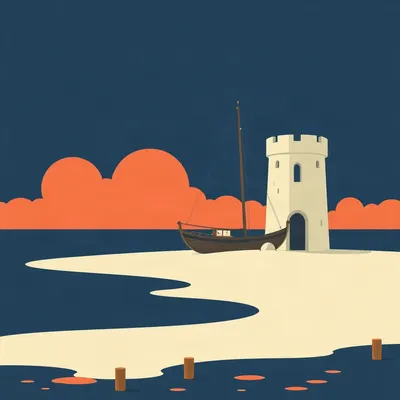
#5566: Venice: The City That Was a Supply Chain
Venice wasn't romantic — it was a logistics problem with a paint job. How a lagoon empire survived 1,100 years.

#5502: Clifford Hutsell and the Storybook Houses of Dallas
A listener's childhood mystery: who designed those fantastical Lakewood houses? The answer leads to Storybook architecture.
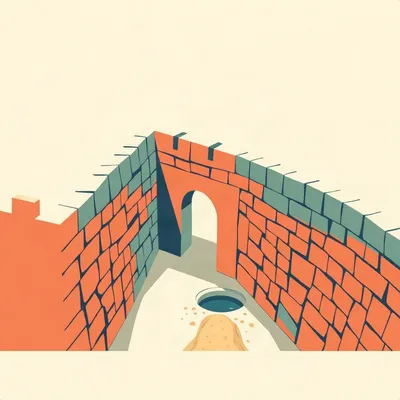
#5494: How Ancient Jerusalem Outgrew Its Own Walls
Jerusalem's Old City walls are Ottoman, not ancient — and the original city sits outside them. Tracing 4,000 years of expansion and contraction.

#5395: Six Colors, One Hospital Corridor
A pediatric ward's six-color corridor system reveals what good interface design looks like when people are scared and lost.
#5367: Circling the ER: Driving When You Can't Stop
What do you do when the destination has no parking and a sick passenger in the seat? A holding pattern for city streets.
#5344: Ironworking: From Rivet Gangs to Rebar Crews
Ironworking is older than the skyscraper it built. Rivet gangs, Mohawk crews, and why Israel's cranes hide the trade.

#5326: What Makes a Bar a Third Place?
A listener's search for a bar where you can actually hear your friend — and the 35-year-old sociology that explains why it's so hard to find.