
#computer-vision
38 episodes
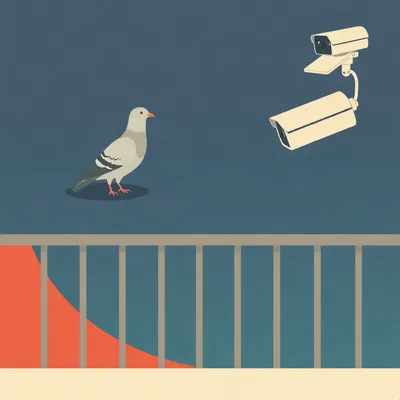
#5457: Pigeon Alerts on a Repurposed i5: Frigate Without the TPU
Daniel wants a pigeon notification, not a custom model. Frigate already ships with bird detection — the real work is masks, zones, and filters.
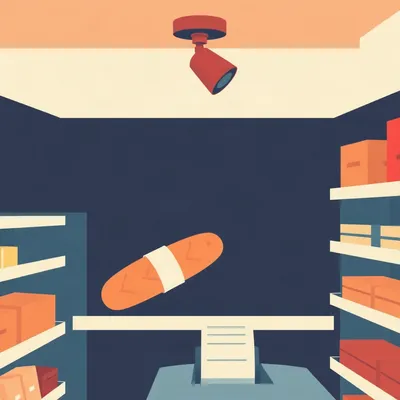
#5402: Amazon Go and the Humans Behind the AI
Amazon promised a store with no checkout. The Information reported 700 of every 1,000 sales needed human review in 2022.
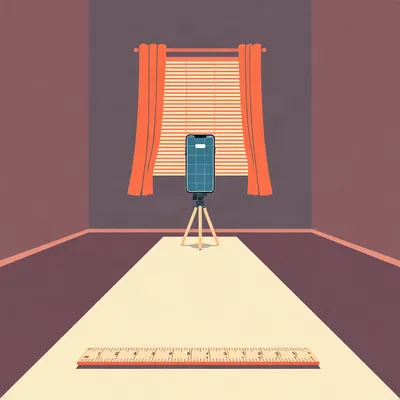
#5278: Photogrammetry vs Gaussian Splat: Scanning a Room Without LiDAR
No LiDAR? No problem. How capture modes, masking, and vertical parallax shape a phone-based room scan.
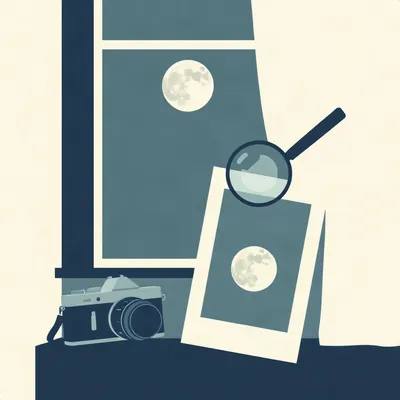
#5251: Recovering the Moon That's Already in the Pixels
Image restoration clarifies photos without inventing detail — until the fidelity dial shows up. Here's what's in the toolbox.
#5245: Training a Model on 100 Phone Photos
One drawer of screws, a hundred phone photos, and a schema. When does a small custom model beat a fine-tuned VLM?
#5205: Measuring Rooms From One Photo
One photo, one reference ruler, and a geometry trick from 1999 that measures objects without any AI at all.

#5198: Counting the AI Models Nobody Releases
YOLO is free — the labeled data isn't. Why the custom image models that matter most are the ones you'll never see on Hugging Face.
#4970: Labels vs. Book Covers: Structured Extraction Tradeoffs
General vision models vs. purpose-built pipelines for extracting data from messy real-world labels and covers.
#4969: How to Train a One-Class Detector from 300 Photos
From photo folder to production YOLO model — the real walkthrough for custom object detection.
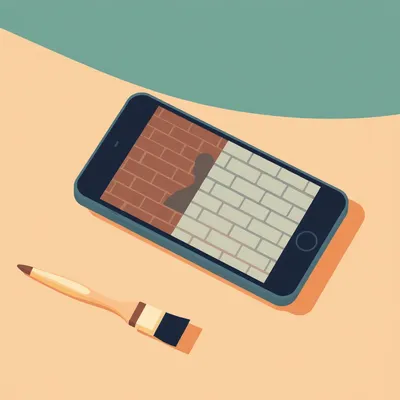
#4672: How Magic Eraser Tools Actually Work: Segmentation + Inpainting
Two AI stages — pixel-level segmentation and generative inpainting — explain how your phone erases objects cleanly.
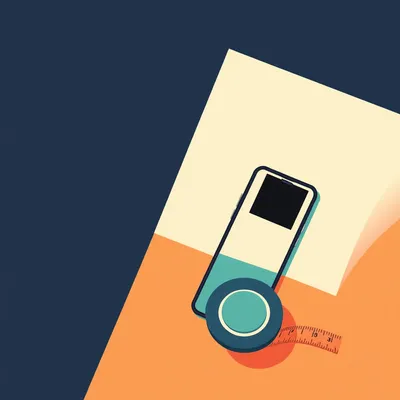
#4575: Measuring Rooms with Fiducial Markers: AprilTag vs ArUco
AprilTags, ArUco, ChArUco — which marker system actually helps you measure a room from a photo? We break down the tradeoffs.
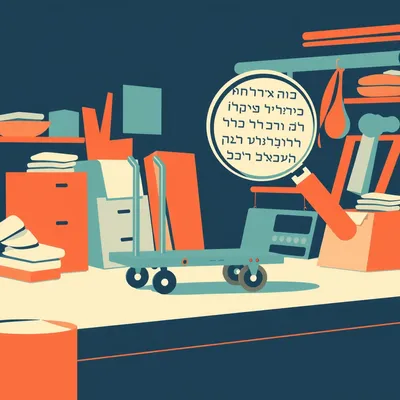
#4496: How to Find Anything in Israel with Google Lens
A visual search hack for finding products in Israel's fragmented e-commerce market — and why an MCP solution could automate it.
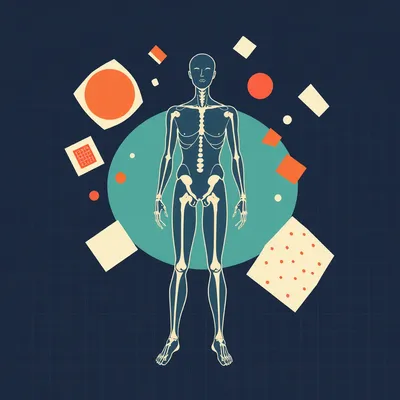
#4462: How AI Imagines Your Skeleton
From image to fully rigged 3D model — the six computational stages that turn photos into animated characters.
#4449: Blur Before You Publish: Image Redaction Tools
How to automatically find and blur QR codes, credit cards, and sensitive text in photos before publishing.
#4415: Why Your Phone Scan Fails (and How to Fix It)
AI scanners are amazing—until they fail on glare or white paper. Here's how to fix it with stuff you already own.
#4169: Change Detection AI for Construction Sites
How AI catches what experts miss in construction site photos — from Siamese networks to transformer models.
#3953: Bats in Your Bumper: Parking Sensors vs. Lane Keeping
Ultrasonic parking sensors vs. highway lane keeping—two radically different technologies that answer the same question.
#3641: Archaeology’s Ray Gun Era: Drones, LiDAR & AI on Digs
Drones, ground-penetrating radar, and AI are transforming archaeology. The fine brush is just 5% of the story.
#2939: Can a Security Camera Detect a Baby Not Moving?
Can AI tell when a baby is about to fall—or has stopped moving? We break down what's possible and what's not.
#2825: The Patient Who Filmed His Own Bloating
How to set up cameras, markers, and time-lapse to capture abdominal distension for clinical or AI analysis.
#2688: Intelligent Frame Extraction for Multimodal AI
Use multimodal AI and smart frame extraction to turn a walk-through video into an actionable decluttering plan.

#2668: When a Flamethrower Is Overkill
Tesseract, EasyOCR, or a cloud vision model? How to build a fast, reliable label scanner for real-world conditions.
#2657: When Puppeteers Stopped Hiding
Background removal isn't magic — it's multiple AI systems working in sequence. Here's what's actually happening under the hood.
#2546: The Invisible Engineering Behind a Single Click
The technical stack behind click-to-edit features in tools like Canva and Google Photos — from segmentation to inpainting.