
#circadian-rhythm
61 episodes
#5269: Why 4 A.M. Wake-Ups Hit Different
A listener asks why 4 a.m. wake-ups feel so much worse than 1 a.m. — and what the insomnia science actually says to do about it.
#5174: Why Caffeine Can't Push You Through Cognitive Fatigue
What actually happens in your brain when you hit the wall — and why caffeine keeps you awake but can't restore hard thinking.
#5155: Why 3 Days Away Feels Like 3 Weeks
Why a weekend away can restore you more than two weeks with relatives — the psychology of novelty, detachment, and time.
#5031: Circadian Lighting: Sunset vs. Your Body Clock
Is your smart home's "red light before bed" actually synced to your biology? We dig into chronobiology, latitude, and lighting design.
#5028: What 670nm Red Light Actually Does for Sleep
670nm is a badge, not a mechanism. Here's how to actually shop for a sleep light.
#5027: The 670nm Sleep Light Myth: What That Number Really Means
That "670nm" on your sleep light isn't about melatonin at all. It's about copper atoms in your mitochondria — and the dose is probably fictional.
#4909: Why Aviation Fatigue Rules Should Apply to Your Desk Job
Aviation's strict fatigue rules exist because exhausted pilots crashed planes. Here's why your office job needs the same protections.
#4851: What Half-Life Tells You About Tapering Off Sleep Meds
Why short-half-life drugs are actually harder to quit, and how the bathtub analogy explains it all.
#4816: Can Your Body Learn to Tolerate a Swamp?
Why 32°C in Tel Aviv feels worse than 35°C in Jerusalem — and how fast your body can adapt.
#4763: Red Light, Real Science: Sleep Hacks That Actually Work
ADHD circadian disruption, red light products, and smart home integration — a practical deep dive.
#4487: The Real Levers for Better Night Screens
Gamma ramps, backlight control, and DDC/CI — what actually works for circadian-friendly displays.
#4390: Rethinking Meal Schedules: A Historical Remix
Breakfast, lunch, and dinner aren't laws of nature—they're a 180-year-old factory habit. Explore pre-modern eating patterns you can actually use.
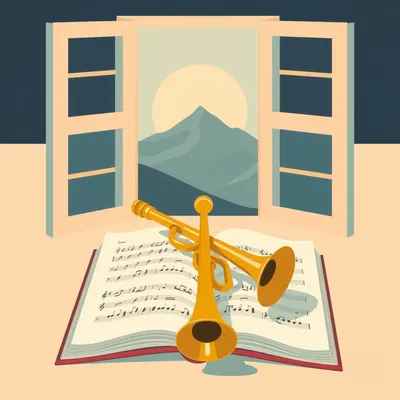
#4048: Can You Learn Reveille in 8 Weeks?
Why the bugle still matters, and how fast a motivated adult can actually learn to play Reveille.
#3762: Why Your Screen Won't Go Dark Enough at Night
LEDs can't truly dim low. Here's the physics — and the surprising fix that has nothing to do with blue light.
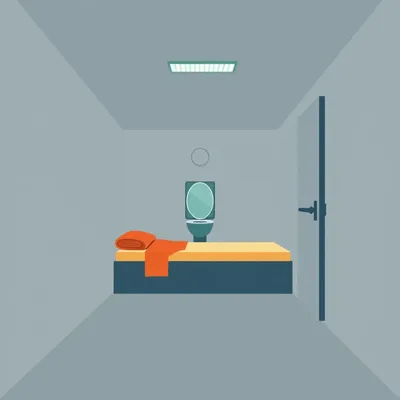
#3723: 80,000 People in Solitary: What It Does to the Brain
What happens inside a concrete box for 23 hours a day? The science of solitary, from SHU syndrome to post-isolation trauma.
#3590: Why Bad Sleep Makes Your Body Feel Broken
The surprising physiology behind that clammy, hungover feeling after poor sleep — explained.
#3534: The 90-Minute Blueprint: How Sleep Cycles Actually Work
N1, N2, N3, REM — what actually happens in each stage and how the cycle shifts across the night.
#3529: Pill Organizer vs. App: What Actually Works?
Evidence shows a simple pill organizer beats apps for compliance. But the ideal system uses both.
#3509: Why 8 Hours of Sleep Feels Like Zero
Sleep math is lying to you. Here's why interrupted sleep wrecks your brain worse than no sleep.
#3230: Why Your RGB Bulb Is Useless for Sleep Lighting
RGB bulbs go dim in red mode. Here's the physics, the fix, and what to actually buy.
#3166: The Split in Insomnia Treatment: SOI vs SMI
Sleep-onset and sleep-maintenance insomnia have different biology, different drugs, and different treatments.
#3114: Life Underwater: 90 Days Without Sun
How do submariners survive months underwater without sunlight, fresh air, or contact with home?
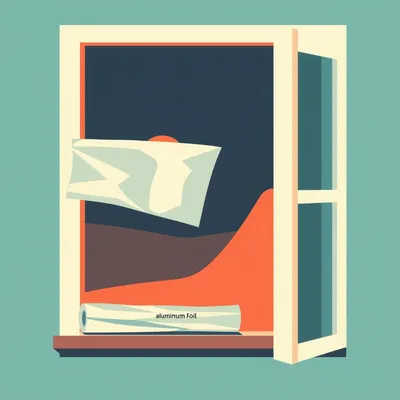
#3104: Does Tinfoil on Windows Actually Cool Rooms?
Tinfoil on windows can drop temps 4-5°C. But there are hidden tradeoffs you need to know.
#3053: Why Babies Sleep 18 Hours and Adults Need 8
Newborns sleep 16-18 hours for synaptic pruning, REM wiring, and metabolic survival. Here's how sleep architecture changes across life.