
Health & Wellness
Medical topics, mental health, and wellbeing
340 episodes · Page 9 of 15
#3130: How to Fight Better: The Science of Healthy Conflict
The first 3 minutes of a fight predict divorce with 90% accuracy. Here’s what to do about it.
#3123: What Research Says About Healthy Families
Beyond the greeting-card version—what the data actually says about what makes families work.
#3118: Anteaters: Savanna Animals, Not Jungle
Brazil has the most, but Paraguay has the highest density. And no, they don’t just eat ants.
#3115: How Many Scientists Actually Live at the Poles?
The surprising answer: ~850 in Antarctic summer, ~400 in winter, and effectively zero at the North Pole.
#3114: Life Underwater: 90 Days Without Sun
How do submariners survive months underwater without sunlight, fresh air, or contact with home?
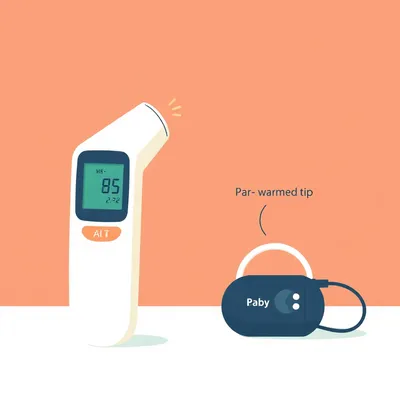
#3113: Baby Vital Signs: What Actually Works for Home Monitoring
Pulse oximeters, thermometers, and stethoscopes for infants — what's accurate and what's dangerously misleading.
#3083: Two Atoms Changed Everything: The Lost Blue Dye
How a single dye, chemically identical to plant indigo except for two bromine atoms, was lost for 1,300 years.
#3074: Sunscreen vs Stroller: Baby Sun Protection in Jerusalem
What to actually do when the UV index is 11 and you need to walk 20 minutes to the park.
#3070: The Hidden World of Custom Drug Dosing
Why getting a precise 6.25mg Seroquel dose reveals the strange economics of custom medicine.
#3069: Why UV Index and Temperature Don't Match
Why Israel hit a UV index of 11 while the thermometer barely reached 28°C.
#3054: How Dirty Is Your Reusable Water Bottle Really?
Your water bottle can be 1,800x dirtier than a toilet seat. Here's how biofilm forms and how to actually clean it.
#3053: Why Babies Sleep 18 Hours and Adults Need 8
Newborns sleep 16-18 hours for synaptic pruning, REM wiring, and metabolic survival. Here's how sleep architecture changes across life.
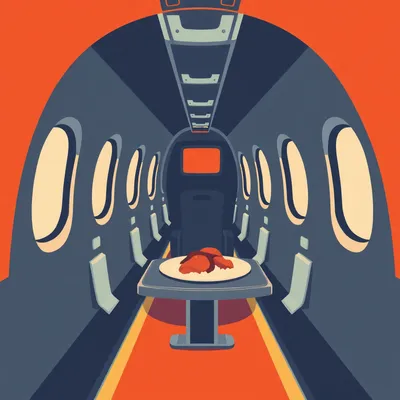
#3039: How Airlines Engineer Mass Sleep at 35,000 Feet
Airlines quietly perfected a group sleep induction system. Here's the lighting, meal, and temperature playbook — and how to steal it for home.
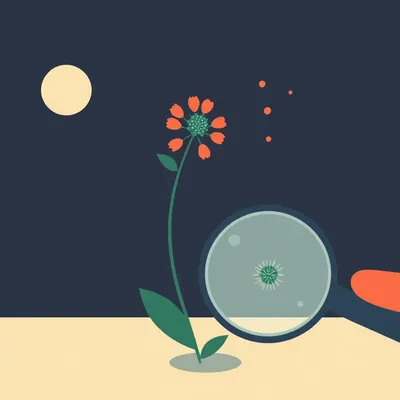
#3031: How Allergies Actually Work (And Why They're Getting Worse)
The immunology, the hygiene hypothesis, climate change's role, and how non-drowsy antihistamines really are.
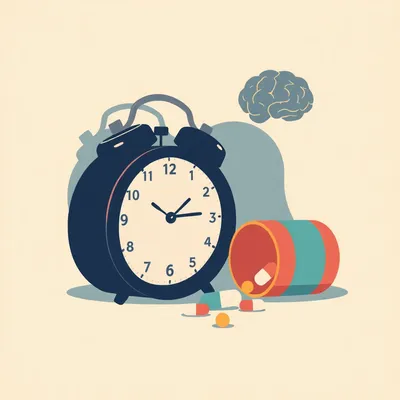
#3027: Why You Wake at 3 AM and Can't Get Back to Sleep
60% of chronic insomnia cases involve waking up mid-night. Here's what's different in your brain and what actually works.
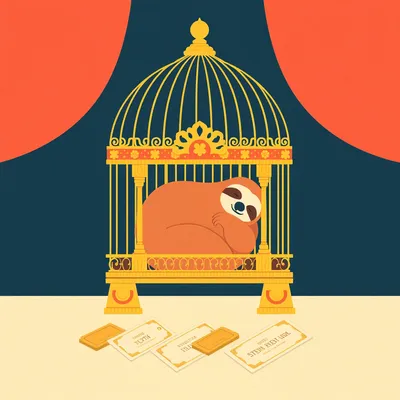
#3005: The Zoo Question: 4,000 Years of Captivity
31 sloths died at Sloth World. The USDA knew. The facility stayed open. A look at 4,000 years of zoos and whether they can ever be ethical.
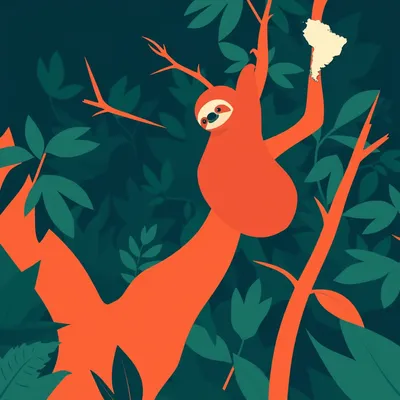
#3004: Which Country Has the Most Sloths? (It's Not Costa Rica)
Brazil has 10-15x more sloths than Costa Rica. But you're still more likely to spot one in Costa Rica. Here's why.
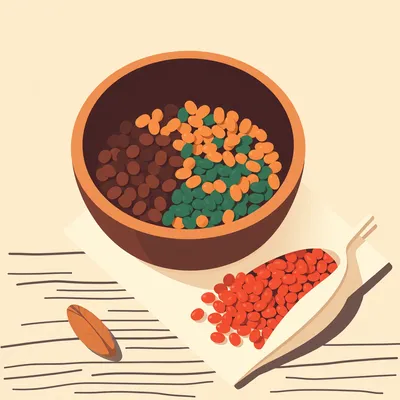
#2994: Lentils: The 10,000-Year Staple You Don't Know
Brown, green, red, black — and why split lentils aren't "processed" food. A complete tour of the world's most underrated legume.
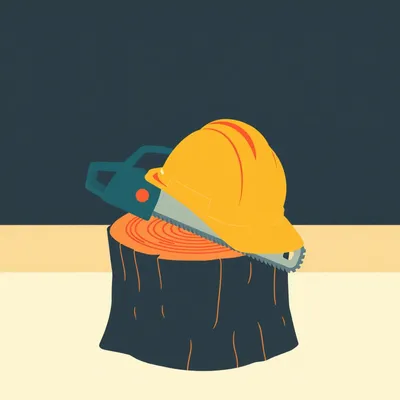
#2993: The Deadliest Jobs Nobody Talks About
Logging kills 23x more workers than average. Why isn't it on reality TV?
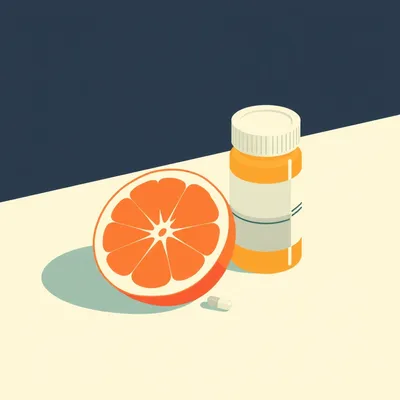
#2965: How Your Liver Actually Processes Drugs
The five half-life rule, grapefruit juice warnings, and why some drugs don't follow the rules.
#2963: The Forgotten Grains That Could Feed a Hungry World
Millet, sorghum, and teff feed half a billion people. So why don't we grow more of them?
#2958: The Lost Art of Bench-Sitting
What Mediterranean bench-sitters know about companionship, longevity, and why doing nothing together matters.
#2950: Barley Beyond Soup: A Grain Guide
Pearl, pot, hulled, hulless — why barley labels matter for nutrition, cooking, and flavor.
#2925: Why Writing "Notebook" on Your Notebook Actually Works
The neuroscience behind why high-contrast labels help some brains actually see what they're looking at.