
#neuroscience
205 episodes · Page 4 of 9
#3259: How 3 Rs Shape Lab Animal Ethics Today
The three Rs—Replacement, Reduction, Refinement—guide lab animal ethics. But do they go far enough?
#3255: Catatonia Beyond the Frozen Statue
Catatonia isn't just frozen stillness—it's a motor dysregulation syndrome more common in mania than schizophrenia.
#3239: Why the Brain Doesn't Fight Back Against Vyvanse
How SSRIs and Vyvanse trick the brain’s homeostatic machinery into healing instead of resisting.
#3201: Why Your Baby Isn't Bored in the Kitchen
That kitchen walk isn't boring your baby — it's a sensory masterclass. Here's what the neuroscience actually says.
#3196: What Your 11-Month-Old Actually Sees, Hears, and Feels
Why teething pain feels like "my whole head is wrong" — and what actually soothes a feverish baby.
#3166: The Split in Insomnia Treatment: SOI vs SMI
Sleep-onset and sleep-maintenance insomnia have different biology, different drugs, and different treatments.
#3077: Why Labeling Cables Feels So Satisfying
Labeling cables with paint markers feels weirdly therapeutic. Here’s the neuroscience behind why.
#3053: Why Babies Sleep 18 Hours and Adults Need 8
Newborns sleep 16-18 hours for synaptic pruning, REM wiring, and metabolic survival. Here's how sleep architecture changes across life.
#2958: The Lost Art of Bench-Sitting
What Mediterranean bench-sitters know about companionship, longevity, and why doing nothing together matters.
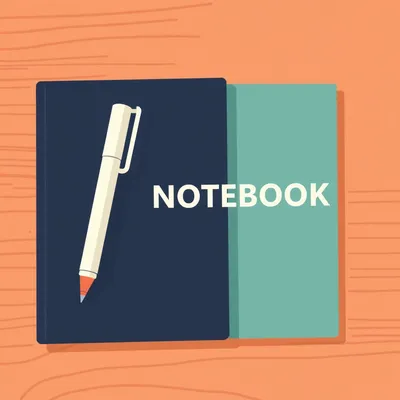
#2925: Why Writing "Notebook" on Your Notebook Actually Works
The neuroscience behind why high-contrast labels help some brains actually see what they're looking at.
#2895: What Your 10-Month-Old Boy’s Brain Is Actually Doing
The neuroscience behind motor milestones, sleep regressions, and why social media is making parents anxious.

#2741: What Theoretical Physicists Actually Do All Day
Chalkboards, arXiv firehoses, and 2 hours of real work. What the daily life of a theoretical physicist actually looks like.

#2739: When Hoofbeats Are Zebras: How Doctors Learn to Think
How family doctors develop clinical judgment—pattern recognition, Bayesian reasoning, and the cognitive traps that lead to diagnostic errors.
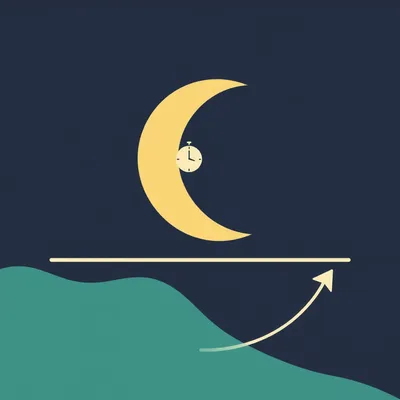
#2738: Why Can't Humans Sleep 24 Hours Straight?
Even when exhausted, your body won't let you sleep past 12-13 hours. Here's the biology behind the hard cap.
#2732: Why Contact Lenses Still Hurt 10 Years Later
A contact lens infection can permanently rewire your corneal nerves, making lens wear impossible forever.
#2729: Why Medieval Libraries Sounded Like Beehives
For most of history, reading was an oral act. Silent reading is a surprisingly recent invention.
#2709: POTS, Sodium, and Long COVID Explained
Why electrolyte water helps POTS, how autonomic dysfunction works, and the long COVID connection.
#2708: Why Histamine Keeps You Awake and Makes You Sneeze
How one molecule runs both your allergy symptoms and your brain’s wakefulness system.
#2705: Your Brain Isn't a Hard Drive — What Actually Fits
Long-term memory isn't storage — it's a generative model. Here's where the brain/computer analogy actually holds up.
#2704: The Shower Effect: How Stepping Away Unlocks Solutions
Why do our best ideas come in the shower? The neuroscience behind the incubation effect and when to step back.
#2703: Why Fidgeting Actually Helps You Think
Fidget spinners aren't just toys—they're self-regulation tools. Here's the neuroscience behind why movement helps you focus.
#2701: Why Drugs Give You Vivid Nightmares
SSRIs, beta-blockers, and melatonin: how medications hijack the brain's dream machinery.
#2700: What Your Brain Actually Does When You Daydream
Daydreaming isn't your brain slacking off — it's running a flight simulator for your life.
#2575: How Montessori Actually Works (It's Not Chaos)
The real principles behind Montessori, from sandpaper letters to the absorbent mind.